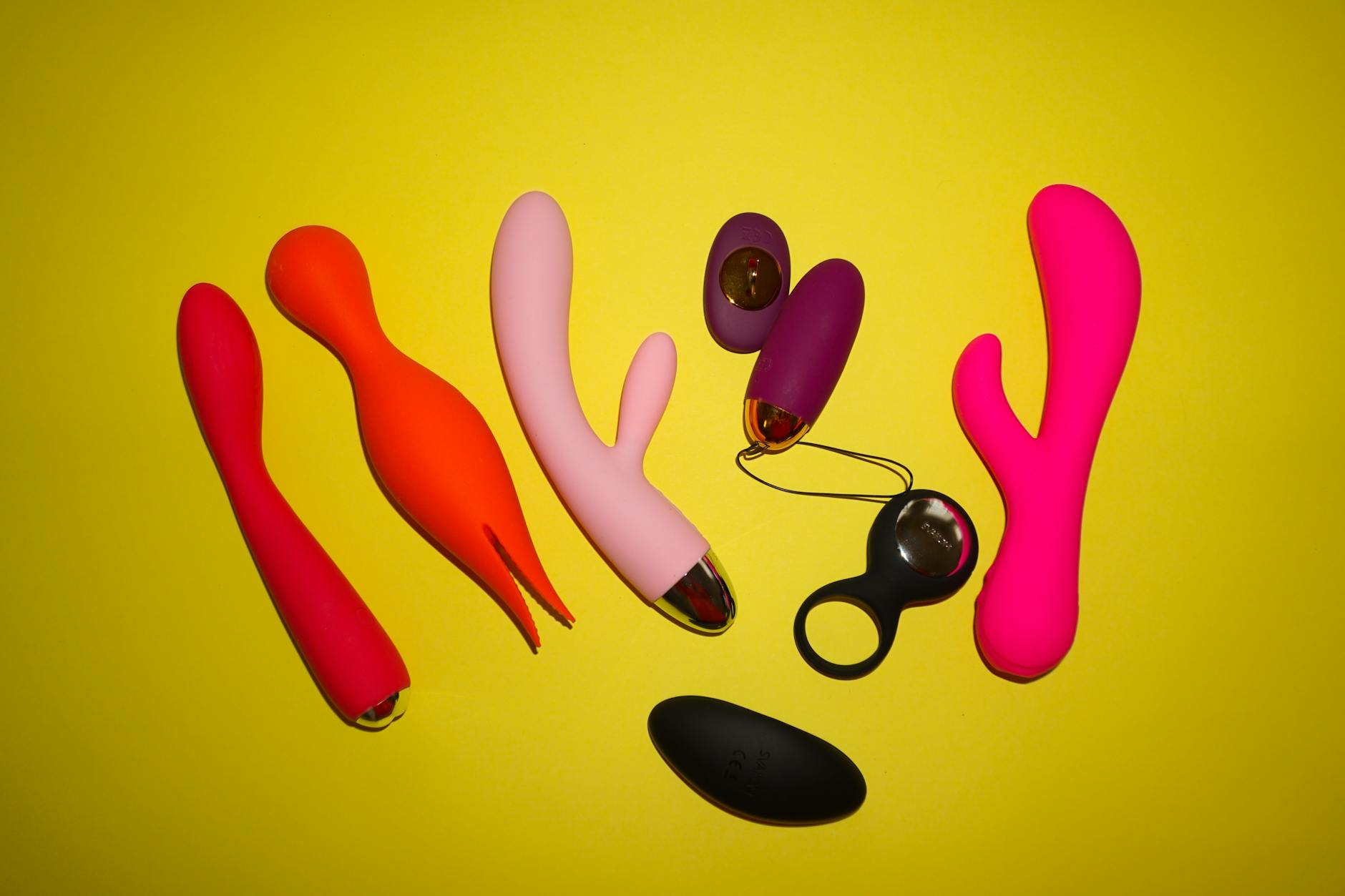
How Air Suction Lemon Vibrators Improve Orgasms With Hormonal Changes
Let's be real: your body doesn't stay the same. Hormones fluctuate, tissues change, and the way you experience pleasure shifts. What worked for you at twenty-five might feel completely different at thirty-five, forty-five, or beyond. The frustrating part isn't the change itself. It's that most vibrators were designed for a body that stays static, and when your body adapts, they suddenly feel wrong.
That's where air suction technology, and specifically lemon sexual toys that use this design, becomes genuinely useful. These aren't gimmicks. They're engineered to work with how your body actually responds when hormones change.
What hormonal shifts actually do to pleasure response
Estrogen and progesterone control more than your cycle. They affect blood flow to your vulva, how quickly tissue swells during arousal, lubrication production, and even nerve sensitivity. When these hormones fluctuate, your arousal pattern changes. This is true during your cycle, during perimenopause, and absolutely true after menopause.
Testosterone matters too. Yes, people with ovaries produce testosterone. It's a major driver of desire and sensation intensity. When testosterone dips, many people notice that direct vibration feels either too intense or weirdly numb. Neither feels right.
The neural pathways for pleasure don't change. Your brain's capacity for orgasm doesn't shrink. But the physical infrastructure that feeds sensation to those pathways shifts. It's like trying to play your favorite song through speakers designed for a different era of technology. You need equipment that's built for the signal you're actually sending.
Why traditional vibrators struggle with hormonal shifts
Most vibrators work through direct mechanical vibration. They buzz against tissue. When tissue is thin (which happens with lower estrogen), when swelling happens slower (which happens with hormonal dips), or when sensitivity peaks at different thresholds, that constant vibration can feel jarring, numbing, or just off.
You end up either turning up the intensity until your vulva feels tender, or giving up because nothing feels quite right. Both routes lead to frustration and the false assumption that your body is broken. It's not.
Lemon clitoral vibrators that use air suction technology work through a completely different mechanism. Instead of buzzing at one frequency, they create a gentle suction pattern that stimulates the entire clitoral network, not just surface nerves. This matters enormously when hormones change.
How air suction adapts to hormonal fluctuations
Air suction doesn't require the same blood flow response as traditional vibration. That's crucial when estrogen is lower and blood flow to your genitals is reduced. The sensation builds steadily rather than jolting, which means your body can catch up with the stimulation even if arousal takes longer.
The suction patterns available on something like the Lem vibrator can be adjusted to match where you are in your cycle or life stage. Gentle patterns for days when your vulva feels tender or swollen. Stronger patterns when you want more intensity. The point is that you're not fighting against a one-size-fits-all vibration speed.
When hormones shift and tissue becomes thinner, direct vibration can actually create micro-tears if there's not enough lubrication. Suction-based stimulation distributes pressure differently, reducing that risk while maintaining sensation. It's why many people report that air suction toys feel more comfortable during perimenopause or after menopause than traditional vibrators ever did.
The orgasm intensity piece that nobody talks about
Here's what I see in practice: people with hormonal fluctuations report that lemon suction toys produce deeper, longer orgasms than traditional vibrators. Not always faster. Not always easier. But more intense in a way that feels full-body rather than localized.
This happens because air suction engages the entire clitoral structure, including the internal branches that run several inches up into your body. Hormonal changes affect these internal tissues too. When you're stimulating a broader network, those hormonal shifts actually become less of an obstacle and more of a variation on the same theme.
Many people describe air suction orgasms as feeling different but better after hormonal shifts. Stronger. Less dependent on one specific pressure point. More resilient to the body's changing responses.
Practical adjustments that work with your changing body
If you're using a lemon vibrator or any air suction toy and your hormones are in flux, a few things help.
First, lube matters more than it ever has. Water-based lubricant improves the seal and sensation. Even if you're producing natural lubrication, a little extra helps air suction work more efficiently. That's not a sign something's wrong. It's just physics.
Second, give yourself longer warm-up time. Hormonal changes slow down initial arousal, but they don't stop it. Budget fifteen to twenty-five minutes instead of five. Your body isn't broken. It's just operating on a different timeline.
Third, start with lower intensity settings and work up. If you've been using traditional vibrators, you might be calibrated to higher frequencies. Lemon clitoral vibrators deliver sensation differently, so what feels medium-strength is often more than enough. You can always increase it.
Fourth, pay attention to where you're at in your cycle or life stage. If you're perimenopause, certain days your vulva will feel more responsive. That's data. Not failure. Notice the pattern and work with it instead of pushing through it.
When to get professional support
If pleasure completely disappears even with the right tools and approach, see a menopause-trained gynecologist or therapist. Sometimes hormonal shifts are normal. Sometimes they indicate something worth treating, like genitourinary syndrome of menopause, which responds beautifully to topical estrogen creams.
If orgasms become painful rather than just different, don't wait. That's your body signaling that something needs attention. A good healthcare provider can identify what's happening and help you address it.
If desire has vanished, that's worth exploring separately from physical sensation. Hormonal changes affect libido, sure. But sometimes what looks like low desire is actually low relationship connection, stress, or exhaustion. Those are different problems with different solutions.
The bigger picture: your body is still yours
Hormonal changes feel like a betrayal sometimes. Like your body suddenly doesn't work the way it's supposed to. But here's what I know after decades of working with people through these transitions: your body isn't broken. It's adapting. And when you use tools designed to work with adaptation rather than against it, pleasure often becomes richer, not poorer.
Lemon sexual toys with air suction technology are built for a body in motion. They work with hormonal fluctuations instead of demanding your body stay static. That's not a small thing. That's the difference between struggling and actually enjoying yourself.
Your body deserves pleasure at every age and every hormone level. The right tool makes that possible.