How Lemon Vibrators Affect Clitoral Sensitivity After Years of Hormonal Birth Control
Let's be real. Nobody tells you that hormonal birth control can quietly reshape how you experience pleasure. Not in a dramatic, everything's ruined kind of way. More like a slow dimmer switch getting turned down over months or years until you barely notice it's happening.
Then you go off the pill, the patch, the ring, or the implant. And suddenly you're wondering if sensation will bounce back, whether it ever fully does, and what actually helps when pleasure feels muted or weirdly distant.
What hormonal birth control actually does to sensation
Hormonal contraceptives work by suppressing your natural hormone cycle. That's the whole point. But estrogen and testosterone aren't just about preventing ovulation. They regulate blood flow, nerve sensitivity, tissue thickness, and the neurochemical cascade that turns touch into sensation.
When you're on hormonal birth control, all of that is dialed down. Deliberately. For years, some women. The clitoris relies on robust blood flow and estrogen for its nerve density to stay responsive. Suppress both, and sensation doesn't disappear. It just gets quieter.
Here's the part that catches people off guard: this isn't a side effect that's universally acknowledged. Some people on hormonal birth control experience wildly robust sensation. Others report that touch feels muffled, that arousal takes forever to build, that orgasms feel shallow or numb. And most people aren't told going in that this might happen.
The timeline for sensitivity to return
After you stop hormonal birth control, your body doesn't flip a switch back to baseline. It's a slow rebuild.
The first 2 to 4 weeks, your hormones are still metabolizing the synthetic versions out of your system. You might notice mood changes, headaches, and sometimes no change in sensation at all yet.
Weeks 4 to 12, natural hormone production ramps back up. This is when a lot of people notice sensation starting to return. The clitoris feels more alert. Touch registers differently. Arousal starts to feel like something again instead of a distant concept.
Months 3 to 6, if you're cycling naturally again, sensation continues to stabilize. Your sensitivity often varies across your cycle now in ways it might not have on hormonal birth control. High-sensation days during ovulation become noticeable again.
After 6 months, most people experience a new baseline. For many, that baseline feels noticeably more responsive than it did on the pill. For others, it's not night and day but definitely improved. A small percentage report that sensitivity takes longer to fully return, sometimes 12 to 18 months.
The variables: how long you were on hormonal birth control, what type (the pill tends to affect sensation more than the copper IUD, for example), your individual neurobiology, and your partner dynamics all matter here.
Why lemon vibrators are particularly useful during this transition
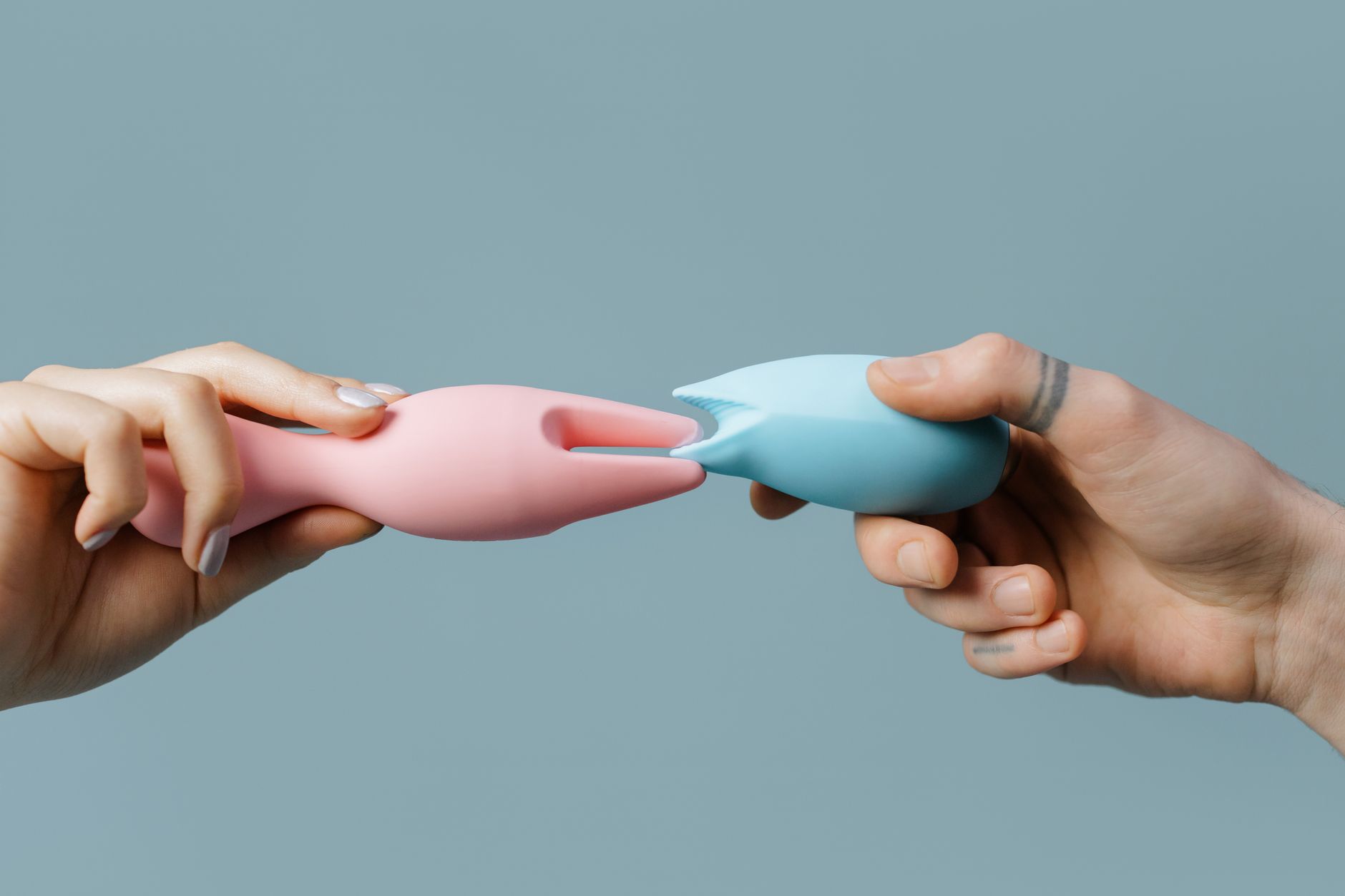
A clitoral vibrator works differently than a partner's hand or tongue. It doesn't depend on arousal level or your ability to feel subtle sensation. A lemon vibrator, specifically, uses air-suction technology that stimulates nerve clusters without requiring the kind of direct friction that can feel too intense when sensitivity is recovering.
During the sensitivity rebound, your nerves are essentially waking up. Direct pressure or vibration intensity can feel overwhelming before the neural pathways fully reset. Air suction gives you control. You can start at pattern 1, barely present sensation, and let your body gradually acclimate to intensity as the weeks pass.
The Lem vibrator, for example, allows you to explore your own responsiveness without the awkward negotiation that happens when you're trying to guide a partner or manage your own expectation. You can spend 20 minutes at low suction, just noticing what you feel. That data matters for rebuilding confidence in your own pleasure.
Building back sensation with the right approach
Three things I recommend to anyone rebuilding clitoral sensitivity after stopping hormonal birth control.
First, extend your warm-up window. Your body needs time to ramp up now. Where arousal might have felt instant before, budget 15 to 25 minutes of foreplay or solo exploration before you expect sensation to peak. Your nervous system is recalibrating. Rush it, and you'll feel frustrated.
Second, start with lower intensity and work up gradually. If you're using a lemon clitoral vibrator, begin at the lowest suction setting for 3 to 5 minutes. This gives your tissues time to recognize stimulation. Then increase incrementally. Most people find that after a few weeks of this, they can handle higher intensities. But starting there prevents the "is this even working" disappointment.
Third, track your cycle if you're menstruating again. Sensitivity often peaks around ovulation and dips during menstruation. Knowing this helps you understand what's normal fluctuation versus actual low sensation. Some people find that lemon vibrators work better on certain days of their cycle, especially high-sensation days around ovulation.
Photo by Hanna Brovko on Pexels
When sensation recovery stalls (and what to do)
Sometimes sensitivity doesn't rebound as expected. You're 6 months off hormonal birth control and you still feel numb. This can happen for a few reasons.
One. You've switched to a different hormonal method, like a hormonal IUD. Some people experience similar sensation dampening, especially in the first 3 to 6 months. If that's your situation, the recovery timeline just restarts.
Two. Emotional or relational factors are at play. The body doesn't rebuild pleasure in a vacuum. If you're stressed, grieving, in conflict with your partner, or navigating relationship distance, your nervous system won't prioritize sensation. You might need to address the relational dynamic before sensation fully returns.
Three. There's an underlying medical factor like thyroid dysfunction, depression, or blood sugar dysregulation. Hormonal birth control can mask these issues. When you stop it, they sometimes surface. If sensation doesn't improve after 8 to 12 months, talking to a doctor is worth doing.
The partner conversation during sensitivity recovery
If you're in a partnered relationship, this transition is worth naming explicitly. "I'm rebuilding sensation after stopping hormonal birth control. This might look different for a few months." That's it. Clear. Sets expectations.
Some partners interpret slower arousal or muted response as lack of desire. It's not. It's neurological recovery. Naming the difference prevents resentment and gives your partner something concrete to support instead of a vague "something feels off."
Exploring lemon vibrators during this time can actually strengthen intimacy if you approach it right. You're not replacing your partner. You're showing them what works for your body now. That transparency often deepens connection because it moves away from performance and toward genuine responsiveness.
FAQ: Sensitivity recovery and lemon vibrators
How long after stopping birth control can I expect sensation to fully return?
Most people notice significant improvement within 3 to 6 months. Full stabilization often takes 6 to 12 months as your cycle reestablishes. Every body is different, though. If you're tracking sensation during this time with a lemon vibrator, you'll get real data instead of guessing.
Can I use a clitoral vibrator while I'm still on hormonal birth control?
Yes, absolutely. A lemon vibrator works just fine while you're on hormonal birth control. Some people find that air-suction vibrators actually help with arousal specifically because they bypass the sensation dampening that pills can create. Starting with lower intensities still applies, but there's no reason to wait until you've stopped birth control to explore.
Does the type of birth control matter for sensitivity recovery?
Yes. The hormonal pill affects sensation more noticeably than the copper IUD because the copper IUD doesn't use synthetic hormones. If you switch from the pill to a copper IUD, you might notice faster sensation recovery. If you switch from the pill to a hormonal IUD, recovery timelines are similar. Implants like Nexplanon vary by individual but typically show faster recovery than the pill.
Why does my sensitivity feel different at different times of my cycle now?
Your natural hormone cycle is back. Estrogen and testosterone peak around ovulation, which is when sensation usually feels most responsive. During menstruation, those hormones dip, and sensation often feels more muted. This is completely normal. Some people use this knowledge to time their exploration with a lemon vibrator to high-sensation days when they're rebuilding confidence.
What if I want to go back on hormonal birth control but I like the sensation recovery?
That's a real tension. Many people find they prefer sensation on non-hormonal contraception, but the pill or patch works better for their cycle management or other health reasons. You don't have to choose between sexual pleasure and contraception that serves other needs. If you do go back on hormonal birth control, knowing that sensation might shift again helps you manage expectations. Some people rotate methods or use a combination approach.
Can I rebuild sensation faster with a specific type of vibrator?
Air-suction vibrators like the lemon clitoral vibrator tend to work well during recovery because you can control intensity precisely and start at barely-there stimulation. But the "best" tool is the one that feels good to your body. Some people prefer wand vibrators, others prefer bullets. There's no one right answer. The key is starting at low intensity and building gradually, regardless of the tool.
The bigger picture: your pleasure matters
Hormonal birth control does real work. It prevents pregnancy, manages cycles, and for many people, improves quality of life. But it also changes sensation, sometimes dramatically. That tradeoff is worth acknowledging.
When you decide to stop it, the sensory rebuild is part of your healing. Not something to rush through. Not something to expect to happen instantly. And not something you have to navigate alone. A lemon vibrator becomes a tool for reconnection with your own body, not a replacement for it.
Your pleasure matters. Your responsiveness matters. And giving yourself permission to rebuild it deliberately, without guilt or rush, is one of the kindest things you can do during this transition.
If you're navigating this now, check out our guide on how to use lemon vibrators when arousal feels slow to build. It covers specific patterns and pacing that work during the recovery phase.
Have questions about your experience or want to talk through the transition? Reach out to us. We're here to help.