Let's name the problem nobody wants to talk about
One partner bounces back from surgery, illness, or injury. The other is still healing. Suddenly sex doesn't exist anymore. Not because either of you stopped wanting connection, but because the timelines don't match and there's no script for this.
You're both frustrated. One feels abandoned. The other feels pressured. And the longer it stretches, the harder it gets to bring it up without it turning into something bigger than it is.
Why recovery timelines create such a specific kind of disconnection
Physical recovery isn't linear, and sexual recovery is even messier. After surgery, injury, or illness, one person might feel physically ready for touch but emotionally raw. The other might be physically capable but emotionally drained from being a caregiver. Sometimes it flips mid-conversation.
Here's what I see in couples therapy: the partner who's healing faster starts to feel like their desire is unwelcome. They pull back to avoid burdening their partner. The partner still recovering feels guilty for not being ready and starts to withdraw emotionally because they can't give what's being asked. Within weeks, you've built a wall neither of you meant to build.
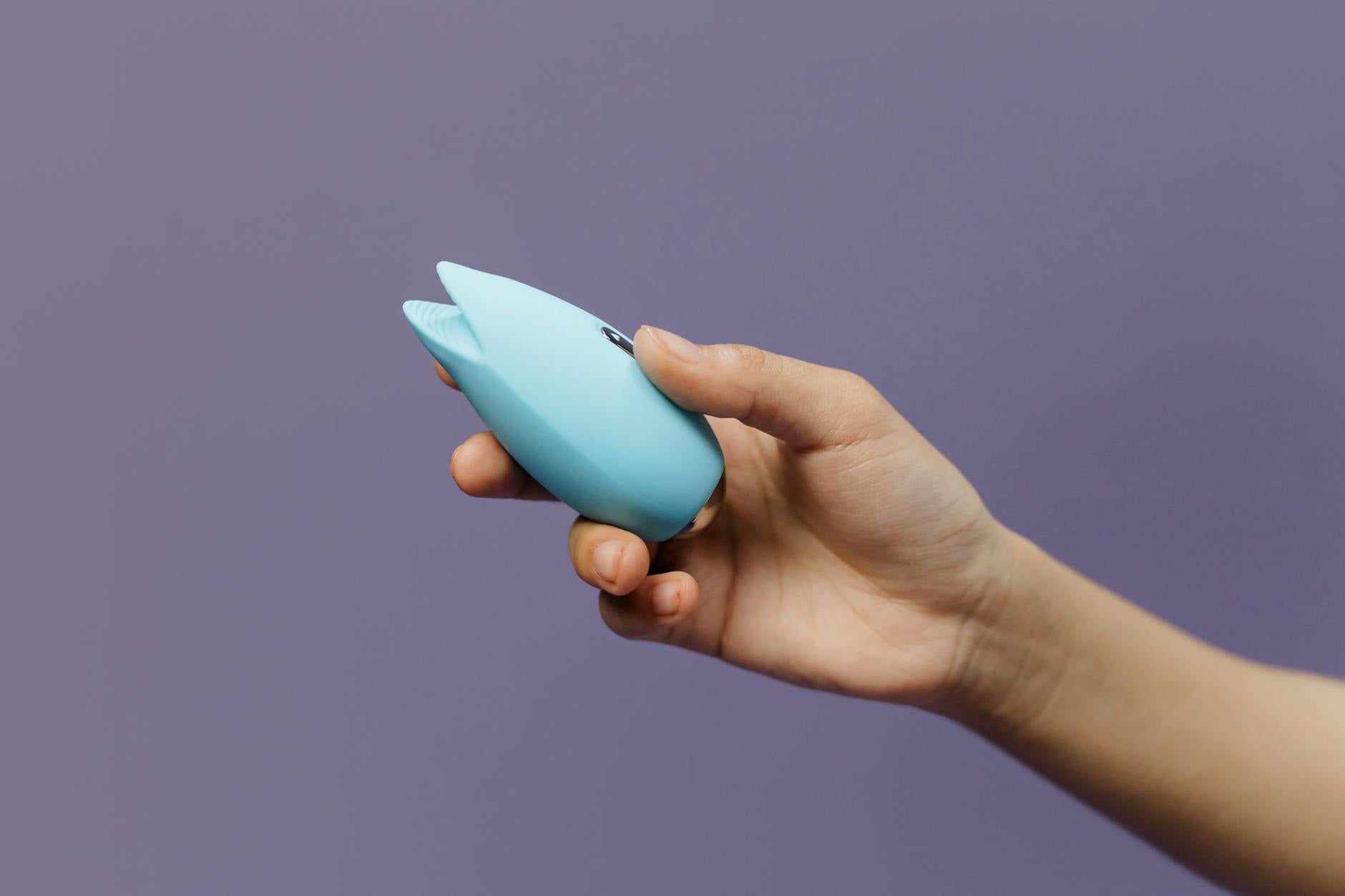
The real issue isn't mismatch. It's that you're trying to solve a mismatched timeline with an all-or-nothing approach to sex. You either have partnered sex or you don't. But there's a middle ground, and lemon vibrators live exactly there.
The permission structure that changes everything
When one partner uses a lemon clitoral vibrator solo or with minimal partner involvement, something shifts. There's no pressure on the recovering partner to perform or reciprocate. There's no guilt on the ready partner for having desire. It's just pleasure happening in the same room.
This matters more than you'd think. In my experience, couples often can't reconnect sexually because the conversation has become so loaded. One person feels obligated. The other feels selfish. Nobody wins. But when lemon vibrators enter the space, the dynamic changes from "Do you want to have sex with me?" to "I'm going to take care of my own pleasure while you're here with me." That's not rejection. That's inclusion.
How to actually bring this up without it blowing up
Timing is everything. Not during the conversation where you're both already frustrated about frequency. Not when either of you is tired or stressed. Pick a calm moment, ideally when you're already physically close but not trying to initiate sex.
Here's a script that works: "I miss being physically close to you. I know you're still recovering, and that's real. I was thinking about [lemon vibrators / a clitoral vibrator] so I could feel pleasure without putting pressure on you. Would that feel okay to you?"
Notice what's in there. You're naming what you miss. You're acknowledging their healing process. You're proposing a solution that doesn't require reciprocal performance. You're asking for consent, not demanding it.
The recovering partner's job is to sit with their feelings for a second before reacting. Guilt will show up. So will relief. Both are normal. The honest answer matters more than the polite one.
What actually happens when you try this
In the best case, the recovering partner relaxes because the pressure is genuinely off. They can be present without performing. They can watch, touch, hold, or just exist in the same space while you use a lemon sucker or clitoral vibrator. That closeness without obligation often rebuilds intimacy faster than waiting until both of you are "ready" for partnered sex.
In the middle case, the recovering partner needs more time alone with their own body. They might leave the room or ask you to use the lemon vibrator solo. That's fine. It's still a conversation, still a reset from the silence that was there before.
In the harder case, one person isn't ready to talk about sex at all, recovery timeline or not. That's also information. It's not a "no forever." It's a "not yet." And you can work with "not yet." You can check in gently in two weeks. You can see a therapist who specializes in couples recovering from illness or injury.
The science part: why sensation and suction work when bodies are fragile
Lemon vibrators use a suction mechanism that's gentler than traditional vibrators. For bodies still healing from surgery or illness, this matters. Suction stimulates nerves without the intense friction that can feel invasive when you're already physically vulnerable. For the recovering partner watching, there's something grounding about seeing pleasure happen without aggression or demand.
Clitoral vibrators with varying intensity also give you control. You don't have to go straight to maximum. You can start at a low hum and build from there. If your body is tired or sore or just not quite ready, you can stop. There's no performance expectation, no timeline, no one else's needs in the mix.
The emotional reset that usually follows
Once you've had sex in the room together, even if one of you is using a lemon clitoral vibrator solo, something else shifts. You've proven to each other that desire doesn't disappear. You've shown that you can think about your partner's pleasure without it threatening your own recovery. You've opened a conversation that stays open instead of calcifying into resentment.
Most couples who use this approach find that partnered sex returns more naturally after. There's less desperation, less guilt, less the sense that sex is this thing you're failing at together. It's just something you're rebuilding at your own pace.
When you need more support than a vibrator can provide
If the gap between partners is also emotional or if the recovering partner is dealing with trauma around their illness or injury, a sex therapist or couples therapist trained in medical trauma can help. Lemon vibrators are tools. They're not therapy. But they can absolutely be part of your toolkit alongside professional support.
Similarly, if one partner's recovery is lasting much longer than expected or if the ready partner is genuinely at the end of their rope, that's when you need to have the harder conversations about whether you're willing to stay in this dynamic and for how long. That's not a vibrator question. That's a relationship question.
Real talk: the recovering partner's perspective matters here too
If you're the one still healing, I want you to hear this. Your boundary is valid. Your "not yet" is real. And you also get to decide whether you want to be present while your partner uses a lemon sucker or a clitoral vibrator. You don't have to. You can take a walk. You can do your own thing. But many people find that choosing to be there actually helps them feel less broken, less like a failure. It's not obligation if it's a genuine choice.
FAQ: The questions couples actually ask
Can we use a lemon vibrator together if I'm still recovering from surgery?
Yes, but the way matters. If you're the one recovering, you could guide your partner's hands instead of being stimulated yourself. You could use a lemon clitoral vibrator on yourself while they touch you elsewhere. The key is not adding pain or pressure to healing tissue. Talk to your doctor about what's safe before you try anything.
Will using a vibrator make my partner less interested in sex with me once I'm healed?
No. Vibrators actually increase sexual confidence and pleasure for most people. If anything, your partner will be more interested in sex with you because they've experienced their own pleasure without guilt. Plus, you'll both have learned that sex isn't just one shape.
Is it weird if the recovered partner wants to keep using the lemon vibrator even after we're back to partnered sex?
Not weird at all. That's called expanding your sexual toolkit. Plenty of couples use vibrators during partnered sex. It's not a substitute for anything. It's an addition. If your partner's really attached to their lemon vibrator, that's kind of beautiful actually.
What if my recovering partner is uncomfortable with me using a vibrator at all?
That's worth exploring together. Sometimes it's shame. Sometimes it's a fear that you'll prefer the vibrator to them. Sometimes it's just unfamiliarity. A conversation with a therapist can help you both understand where that discomfort is coming from. You might find there's a compromise. You might find you need to table it for now. Both are okay.
How long should I wait before bringing this up with my recovering partner?
Wait until the acute recovery phase is over, usually four to six weeks after surgery, depending on what was done. Not because you're not allowed to have desire, but because early recovery is genuinely difficult and adding a sex conversation on top might feel like too much. After the initial healing window, though, the longer you wait, the more the silence calcifies.
Can lemon vibrators actually help rebuild emotional intimacy if the recovery timeline is really long?
They can help maintain a thread of physical and sexual connection while you both adjust emotionally. But emotional intimacy needs conversation. Vulnerability. The willingness to talk about how this is affecting both of you. Lemon vibrators keep the door open. You still have to walk through it together.
The real ending here
Recovery timelines that don't sync are genuinely hard. But they don't have to mean that part of your relationship shuts down. Lemon vibrators and clitoral vibrators give you a way to stay connected sexually without pressure, without guilt, and without waiting for perfect alignment that might take months. They're not the whole solution. But they're often the beginning of one.
If this resonates and you want to explore this more deeply with your partner, reaching out to a couples therapist can help. And if you're looking for a clitoral vibrator that's designed with sensitivity and control in mind, the Lem offers patterns that work well for partners at different points in their healing journey.