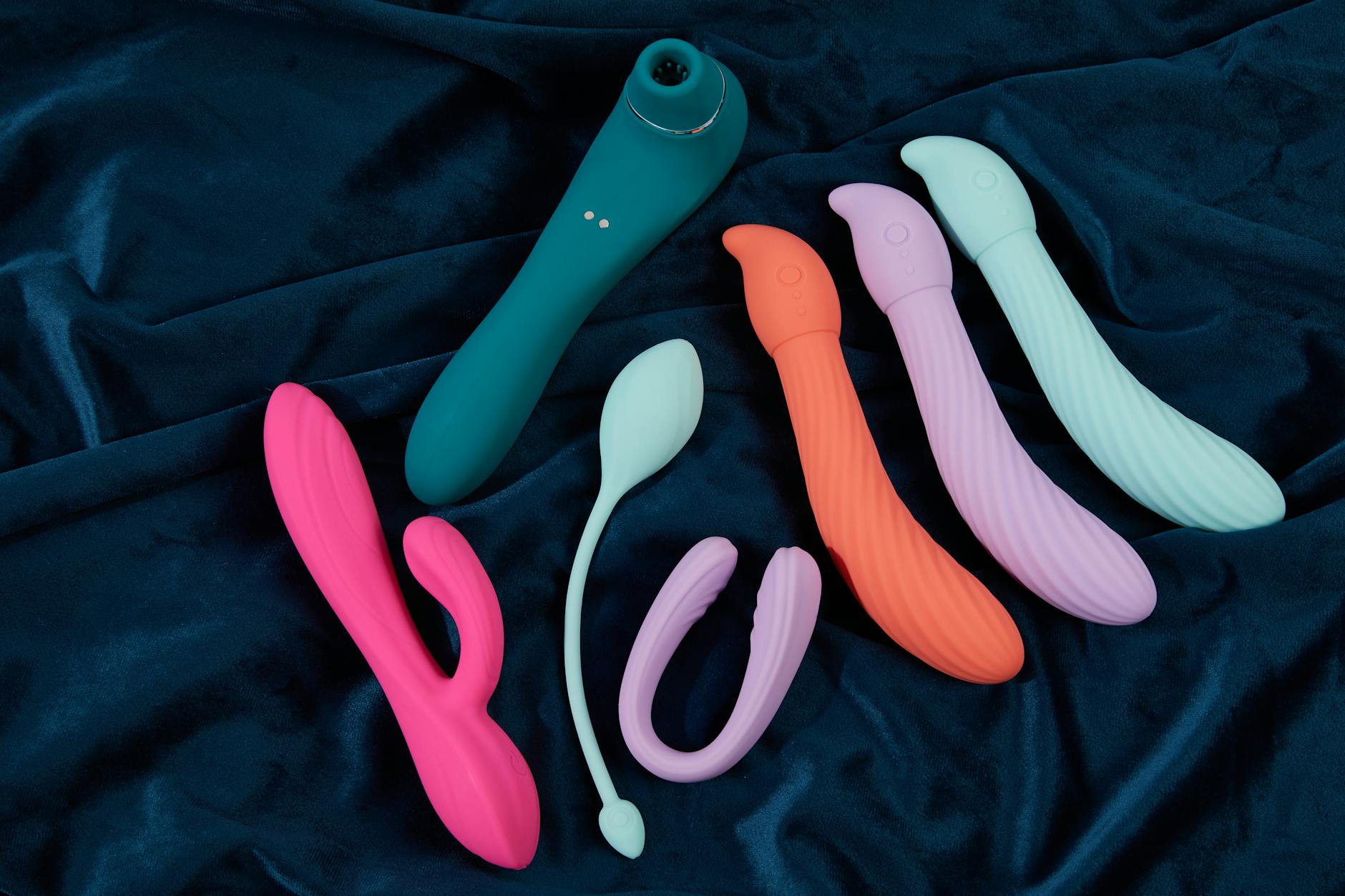
Let's be real about the awkward part first
You want to introduce your partner to lemon vibrators or another clitoral vibrator. Maybe you've been thinking about it for weeks. Maybe you own one and they don't know yet. Maybe you want to explore together for the first time. And right now, the conversation feels impossible.
Here's what I know from working with couples: the awkwardness isn't about the vibrator itself. It's about vulnerability. You're about to say something that feels exposing, and your brain is trying to protect you by making it weird.
It doesn't have to be.
Why the timing matters more than the words
I've seen couples nail this conversation in bed and totally bomb it at the dinner table. The difference is almost always about timing and safety.
Don't bring it up when your partner is tired, stressed, or defensive about something else. Don't do it in a moment when they're already feeling insecure or when you're angry. Those aren't the conditions under which people hear new information well.
Instead, pick a time when you're both relaxed and not distracted. This could be lying in bed at night (but not mid-argument), during a walk, or even a casual car ride. Anywhere you can talk without staring directly at each other the whole time actually helps, weirdly. It takes the pressure down by about half.
The best timing is often after you've been intimate together. Not immediately after, but maybe the next morning or later that evening. You're already in a place of trust. Your nervous system isn't amped up. Your partner knows you're attracted to them. This is the ground floor for the conversation.
Three framings that actually work
Frame 1: Curiosity, not criticism. "I've been curious about trying something together. Nothing's wrong with what we're doing. I just think it might feel amazing for both of us." This says you want to explore, not that something is missing.
Frame 2: Pleasure, not pressure. "I read that people with vulvas often enjoy clitoral vibrators. I want to make sure you're getting the most pleasure possible." This centers their experience, not your agenda. It sounds like care.
Frame 3: Invitation, not assumption. "I've been thinking about getting a lemon vibrator. Would you be open to trying it together?" This gives them a clear yes-or-no option and acknowledges that "together" is something they might not want. That honesty actually builds trust.
The conversation: what to actually say
Here's a real script. Feel free to adapt it to your voice, but keep the skeleton:
"Hey, I want to talk about something, and I'm a little nervous about it. So I'm just going to say it. I've been thinking about trying a vibrator with you. Not because anything's wrong, but because I think it could feel really good. I've heard really good things about lemon vibrators specifically. Would you be interested in exploring that together?"
That's it. Then you stop talking. You let them process.
What they say next will tell you everything. If they say yes, great. If they say "let me think about it," that's also good. If they say no immediately, stay curious instead of defensive. "What's making you hesitant?" is a much better question than "Why wouldn't you want to?" One invites conversation. The other sounds like you're judging them.
Handling the responses you're actually worried about
"Does this mean you're not satisfied?" This is the most common response, and it's coming from fear. Your job is to be specific and reassuring. "Not at all. I'm really satisfied. I actually want to try this because I trust you, and I think it could feel incredible for both of us. It's not about fixing anything. It's about exploring more."
"That seems weird." Okay. They're allowed to find it weird at first. You don't have to defend it. "It might feel weird at first, yeah. But a lot of things feel weird before they're normal. Want to hear why I'm curious?" Then explain without pushing. Maybe it's because you've read that clitoral vibrators help people reach orgasm more reliably. Maybe it's because you want to see them experience a different kind of pleasure. Make it about them, not the toy.
"I don't know." Perfect. This is actually the best response because it's honest. "That's fair. There's no rush. But I'd love to try it sometime if you're open to it. No pressure at all. Just let me know what would feel comfortable."
"I'm worried it means I'm not enough." This is the deepest fear, and it deserves the most care. "You are completely enough. This isn't about you or me. It's about us getting to explore something together. And honestly, I want to experience this with you because I trust you and I'm attracted to you. That matters."
What to do if they say yes
Don't rush to the store the next day. Let the conversation breathe a little. A day or two later, you could say something like: "I'm really glad you're open to trying this. Want to look at some options together? Or I can research and bring a couple ideas to you."
If you already own a lemon clitoral vibrator or another device from Hello Nancy, you can ease into it differently: "I actually already have one. Would you want to try it together sometime soon?"
Let them see it. Touch it. Ask questions. Make it normal and tactile, not mysterious. This is where lemon vibrators work well because they look like fruit. They're not intimidating. They're kind of cute, actually.
When you use it together for the first time, set zero expectations about outcome. You're not trying to prove anything. You're just exploring. Sometimes it feels amazing. Sometimes it takes a few tries to figure out what you both like. Both are completely normal.
What to do if they say no
Respect it. Genuinely. "I appreciate you being honest about that. It's not a big deal. Thanks for talking about it with me."
Then let it go. Don't bring it up again for months, if ever. The worst thing you can do is keep pushing because it turns this one conversation into a tension point in your relationship.
That said, people change their minds. Maybe in a few months or a year, something shifts. They might come back to it. If they do, you're in a much better position because you respected their initial no.
The conversation after the conversation
If you do try a lemon vibrator together and it goes well, check in afterward. Not a deep debriefing, but something like: "That was really fun. I liked that. What did you think?" This keeps the door open for ongoing conversation.
If it doesn't feel amazing the first time, that's fine too. "That was interesting. Want to try it again, or do you want to skip it?" Simple. No judgment.
The goal here isn't to force your partner to love clitoral vibrators or any toy. It's to build a relationship where you can talk about pleasure, curiosity, and what you both want. That conversation is actually more valuable than the vibrator itself.
If you want to dig deeper into how to use a lemon clitoral vibrator once your partner is on board, our guide on how to use lemon vibrators with your partner covers the physical side in detail.
What makes a partner "open" anyway?
It's not that they're adventurous or sexually experienced. It's that they care more about your pleasure and connection than they care about their own discomfort. That's actually a good sign in a partner, full stop.
Some people will be instantly enthusiastic. Others will need time. Some will always be unsure. None of those responses tells you anything about how much they care about you.
What matters is whether they're willing to listen, ask questions, and keep the door open. If they are, you've got something worth protecting.
Common worries that aren't actually problems
"What if they think I want to replace them?" Humans aren't replaceable by objects. A vibrator isn't competition. It's a tool. You wouldn't worry that your partner would leave you for a shower head. Same logic applies here.
"What if it makes things awkward forever?" It won't. In fact, most couples who have this conversation report that it actually brings them closer because they've moved past a barrier. Vulnerability builds connection.
**"What if they want something I'm not comfortable with?" ** That's a separate conversation, and it's also a good one to have. "I'm open to exploring, and I also have boundaries. Can we talk about what those are for both of us?" That's how healthy relationships work.
The other side of this: what to do if you're the partner being approached
If your partner is about to have this conversation with you, remember that it took courage. They're not criticizing you. They're inviting you into something. You don't have to say yes. You don't even have to be enthusiastic. But you can honor the fact that they trusted you enough to bring it up.
Ask questions if you have them. "What made you curious about this?" "Have you used one before?" "What do you think it would feel like?" Curiosity is always a good starting place.
If you're hesitant, that's okay too. Say so. And maybe ask for time. "I need to think about this" is a completely valid response. Your partner should be okay with that.
The bigger picture
Introducing a lemon vibrator or any clitoral vibrator isn't just about the vibrator. It's about building a relationship where both of you feel safe talking about what you want. That skill will matter long after you've figured out whether you like toys or not.
So take the pressure off. You're not trying to transform your sex life with a conversation. You're just opening a door. See what's on the other side.
People also ask
What age is it okay to introduce a vibrator to a partner? If you're in a committed sexual relationship with an adult partner, age doesn't matter. Readiness and communication do. Some couples introduce toys early. Others wait years. There's no timeline.
Is it weird to want to use a lemon vibrator if I'm already satisfied? Not at all. Pleasure isn't zero-sum. You can be satisfied and still want to explore. Curiosity is its own valid reason. If you want to understand more about how clitoral vibrators work, our post on whether lemon vibrators change orgasms covers the science.
How do I bring this up if we haven't talked about sex much at all? Start smaller. "I've been reading about sexual wellness, and I'm realizing I want us to talk about pleasure more." That's the real conversation. The vibrator is just the tool that makes the conversation concrete.
What if my partner thinks vibrators are for people without partners? This is a common myth, and it's worth addressing directly. "Actually, a lot of couples use them together because it feels really good. It's not about replacing anything. It's about exploring together." Maybe share something you've read. Knowledge helps.
Can I just leave a lemon vibrator on the nightstand without asking? I wouldn't. It shifts from "I'm inviting you into this" to "I'm assuming you'll be okay with this." The conversation is worth having.
What if we try it and they hate it? Then you've learned something. You move on. You don't make it a referendum on your relationship or your sexuality. It was just a thing you tried.
If you're looking for more on how to actually use a lemon vibrator once you're on the same page, we've covered using lemon vibrators with a partner in detail. The communication piece is always first, though. Get that right, and everything else is easier.