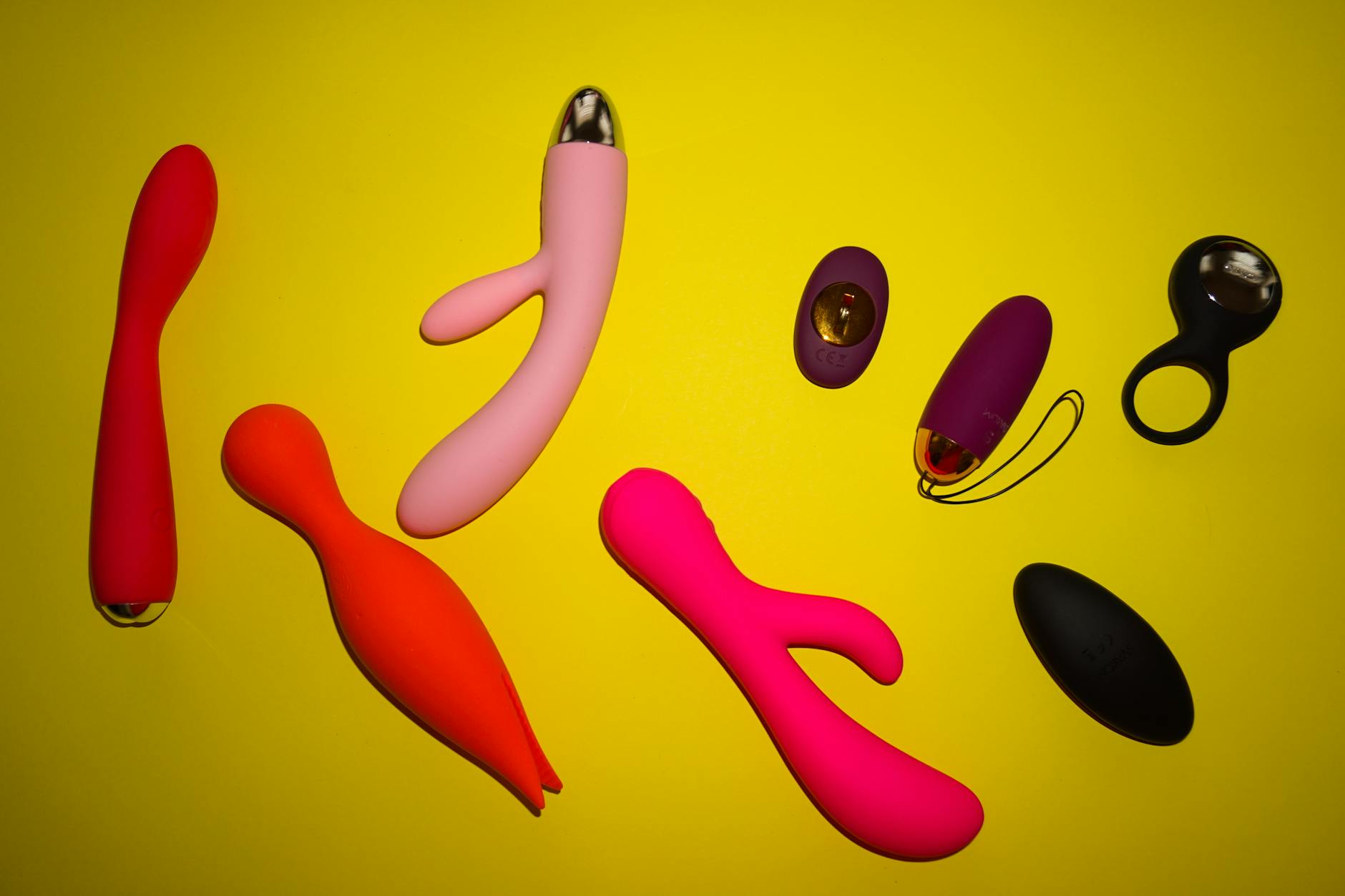
Let's name the thing nobody talks about
You haven't touched yourself in a year. Maybe three. Maybe longer. Life happened. Depression, stress, a breakup, kids, work, just the weight of existing. And now you're thinking about coming back to your body, and the thought feels both urgent and terrifying.
Here's what I know from working with couples and individuals through this exact transition: the biggest barrier isn't your body forgetting how to feel good. It's the shame story you're running. That you've broken something. That you're rusty. That pleasure requires some kind of dramatic reset ritual.
You don't. Your body remembers. And lemon clitoral vibrators are actually one of the most effective tools for softening the landing.
Why restarting feels harder than it should
When you take a long break from sexual touch, three things happen simultaneously:
Your nervous system gets de-trained. The neural pathways that light up during arousal need activation to stay responsive. Long absence doesn't erase them, but they do quiet down. This means it'll take longer to feel turned on, and the sensations might feel muted at first. That's normal physiology, not damage.
Anticipatory anxiety kicks in. Your brain starts asking: Will I still work the same way? Will it feel good? What if I can't come? These questions create a tension loop that actually blocks arousal. You're trying to relax into pleasure while simultaneously tensing up about whether pleasure is possible. It's the opposite of helpful.
Your pelvic floor often tightens. Long periods without sexual activity, combined with stress or anxiety, cause your pelvic floor muscles to contract and hold. This creates an unconscious barrier to both arousal and orgasm. You're not consciously doing this. Your body is protecting itself.
Lemon vibrators address all three problems because they bypass the need for sustained mental arousal and direct stimulation to the exact tissue that matters most. No performance pressure. No ambiguity. Just sensation.
The three-stage restart framework
Stage 1: Solo reconnection (weeks 1-2)
Start alone. No partner, no pressure, no audience. This isn't selfish. It's essential. Your body needs to remember what pleasure feels like without the added cognitive load of someone else's presence.
Set a realistic time window. Twenty to thirty minutes, nothing more. Pressure to spend an hour "finding yourself" again is counterproductive. Short, regular reconnections work better than one epic session.
Begin outside the bedroom. Lie in bed, yes, but with the lights on and no performance mindset. You're not trying to orgasm. You're not trying to come back to your old response time. You're just touching and noticing.
Wait five to ten minutes before using the lemon vibrator. Touch your vulva with your fingers first. Pay attention to texture, temperature, how it feels to be touched there after so long. This shouldn't feel sexual yet. Just observational. Your nervous system is recalibrating.
When you do reach for the vibrator, start on the lowest setting. Not because high intensity is wrong, but because low intensity lets you feel nuance. On a high setting, everything floods into general stimulation. On a low setting, you can feel the specific nerve endings responding. This feedback is what your brain needs to re-engage.
Set a five-minute timer. Seriously. Stop before you feel frustrated. This teaches your body that sexual touch doesn't have to climax to be valuable. Which is true. And which, paradoxically, usually makes orgasms come back faster.
Stage 2: Normalizing the return (weeks 3-4)
Now you're touching yourself regularly. Maybe every other day, maybe three times a week. The shame has started to lift because you've proven to yourself that your body still works.
This is when you can start playing with intensity and rhythm. Move from setting one to setting two or three. Experiment with duration. Stay for ten minutes instead of five. Notice whether your arousal curve is starting to build more predictably.
Introduce fantasy, erotica, or porn if that was part of your past. Or introduce it for the first time. Many people taking a long break come back and realize they want to explore differently than before. That's fine. Your sexuality can evolve.
Here's the key thing: you're still alone, but you're no longer in pure reconnection mode. You're building a small practice. A ritual. Something reliable. This consistency is what rewires arousal pathways.
If you have a partner and they're waiting for this journey to be complete, tell them this timeline explicitly. "I'm rebuilding my relationship with my body. It's going to take four to six weeks before I'm ready to include you. This isn't about you. This is about me remembering how to feel." Most partners can hold space for that if you name it clearly.
Stage 3: Reintroduction with a partner (weeks 5+)
Once you've spent several weeks solo, your nervous system has started to trust pleasure again. You know your body responds. You know what you like. You've lowered the anxiety.
Now bring your partner in, but slowly. Not with pressure to have sex. With permission to simply be present while you touch yourself. This does two things: it let you experience pleasure while your partner witnesses it (removing shame), and it reminds your partner what you like without them having to guess.
Many couples in this situation skip this step and jump straight to partnered sex. Mistake. Your nervous system isn't yet comfortable being aroused in front of someone else after a long absence. That's an extra layer of exposure and vulnerability to layer on top of the physical reconnection already happening.
Bring the lemon vibrator into partnered touch when you're ready. You might use it while your partner touches you elsewhere. You might use it while they're inside you. Or you might use it and have them simply be present, touching your hand or your chest. There's no script here. Just communication.
What to avoid while you're restarting
Don't set a timeline for "normal" sexuality. There is no standard reboot schedule. Some people feel back to themselves in six weeks. Others take six months. Both are fine.
Don't use this as a metric for whether your body is "broken." If your arousal is slower than it used to be, or if you're not having orgasms yet, that's not failure. That's where you are right now. It will change.
Don't bring substances into the early stages. No alcohol, no weed, no anything numbing the nervous system while you're trying to re-sensitize it. You need to feel everything clearly right now, even the uncomfortable stuff.
Don't skip the pelvic floor piece. If you notice tightness, spend a few minutes each day consciously relaxing that area. Breathe into it. A physical therapist trained in pelvic floor health can teach you how if you're stuck. This single piece often unlocks more arousal than anything else.
The lemon advantage during restart
Why specifically a lemon clitoral vibrator during this journey? Because the suction mechanism creates sensation without requiring you to build sustained arousal first.
Traditional vibrators demand that your body already be somewhat aroused before they feel good. Suction vibrators like the Lem work differently. The rhythmic suction creates sensation almost immediately, even when you're starting from zero arousal. This means you don't have to spend twenty minutes trying to get turned on before the vibrator even registers.
It also means you don't have to maintain a certain arousal level to keep the pleasure going. The vibrator is creating the stimulus. Your job is just to notice and receive. This is wildly different from the performance pressure most people feel returning to sex.
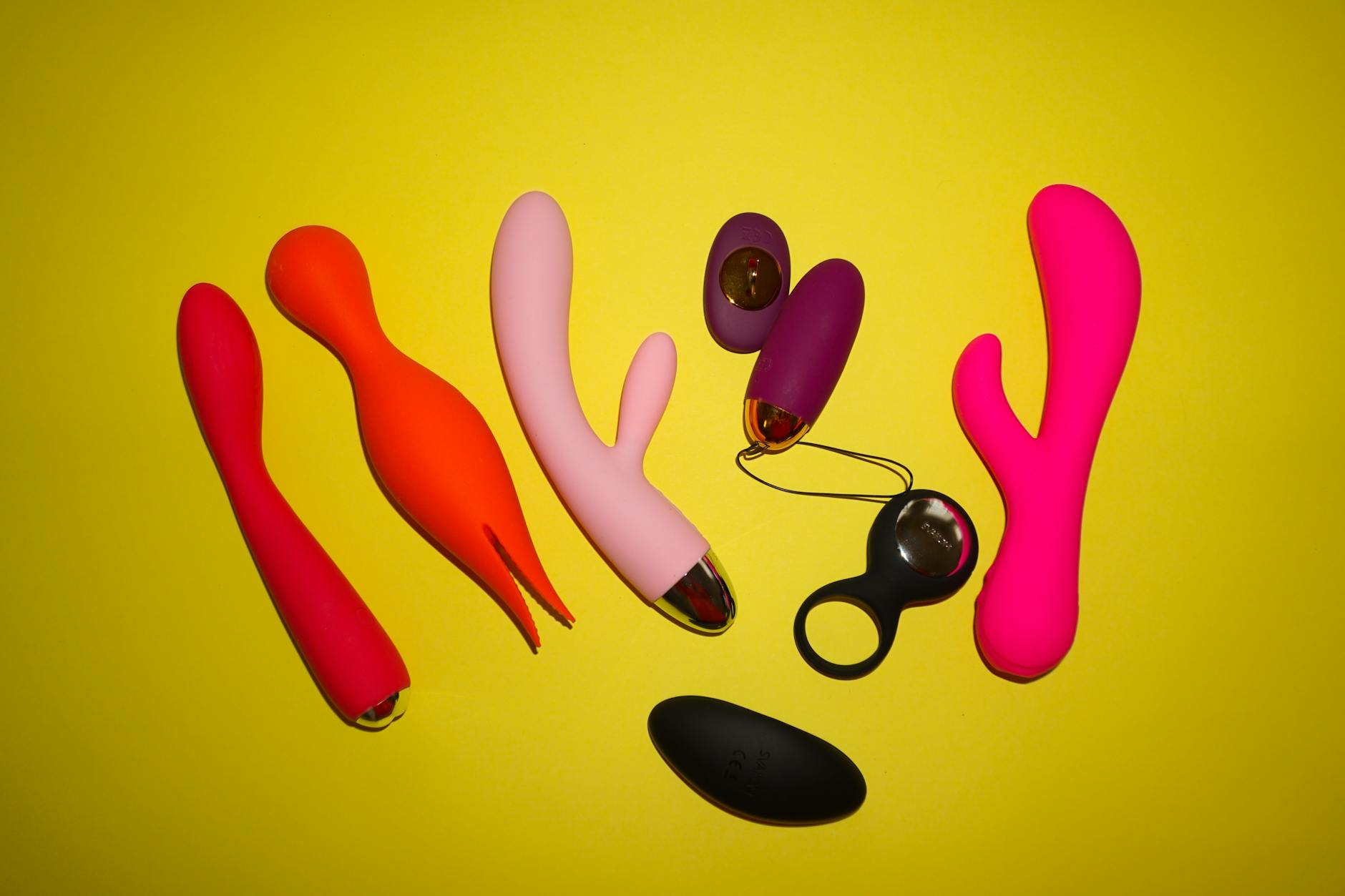
Photo by FounderTips on Pexels
What to expect in weeks 6 through 12
By this point, solo pleasure feels normal again. You're aroused faster. Orgasms feel more like themselves. Your partner is involved, and sex is happening, even if it doesn't look like it used to.
Some people report that their sexuality after a long break is actually better than before. Why? Because they had to rebuild it consciously. They didn't autopilot. They paid attention. They communicated. They got curious about what actually felt good instead of assuming they should want what they'd always wanted.
Keep the lemon vibrator accessible. It doesn't have to be a crutch. It can just be another tool in a toolbox. And for many people restarting after a long break, having that specific, reliable source of pleasure nearby takes pressure off the rest of the encounter.
People also ask
How long does it take to feel normal again after a long break from sex?
Normal is a loaded word, but most people feel significantly closer to their baseline arousal and response within six to eight weeks of regular solo play. Full integration with a partner and feeling genuinely comfortable? Usually three to four months. Some people get there faster. Some take longer. The timeline matters less than the consistency.
Is it normal to feel numb or disconnected when you come back to sexual touch?
Completely normal. Your nervous system has been offline for a while. It needs time to wake back up. If numbness persists beyond eight weeks of regular practice, or if it's accompanied by persistent depression or anxiety, talk to a therapist. That's worth exploring with professional support.
Can I use a lemon clitoral vibrator while my partner and I have sex?
Yes. Many people use lemon vibrators during partnered sex, either for clitoral stimulation during penetration or as their primary focus while their partner touches them elsewhere. You're not replacing their role. You're adding a sensation you can control. Most partners find this less threatening than they expect, especially once they understand it's removing pressure from them to be your sole source of pleasure.
What if I feel guilty or shameful about touching myself after a long break?
That shame is real and almost universal in this situation. Sit with it without judgment. Notice that it's there. Keep touching yourself anyway. Shame thrives in secrecy. It softens when you act despite it. After the fourth or fifth time, it usually quiets down enough to work with. If it doesn't, a therapist who specializes in sexuality can help you untangle where that particular story came from.
Should I tell my partner I'm using a lemon vibrator to restart?
Yes, if you have a partner. Not necessarily in real-time, but before sex happens together. Most conversations about this go better than people expect: "I'm using a vibrator while I reconnect with my body. It helps me feel less pressure and more arousal. I wanted you to know." Most partners find this clarifying and relieving.
How do I know when I'm ready to stop the solo phase and include my partner?
When orgasms feel reliable. When you can reach arousal within ten or fifteen minutes. When you're not crying or feeling guilty afterward. When the experience feels like a pleasure rather than a clinical project. Those are your signals.
The real timeline
Returning to sex after a long absence isn't about doing it fast. It's about doing it gently, with attention, and without the pressure to perform. Lemon vibrators give you a tool that makes gentle easier. They take the ambiguity out of whether sensation is possible. They let your nervous system rebuild at its own pace.
Most people who restart this way report that their sex life comes back stronger than before. Not because their bodies have changed. But because they've learned something essential: pleasure doesn't have to look like it used to. It just has to feel real.
If you're thinking about restarting and you feel stuck, reach out. The first conversation is always the hardest, and you don't have to figure this out alone.