
Let's name what's happening
You're not broken. Your body hasn't stopped working. But somewhere between year three and year seven (or ten, or fifteen), the same hand, the same rhythm, the same pattern stopped landing the way it used to. Touch that used to spark something now just feels like... touch. Like someone's hand on your arm. Information reaching your brain with no emotional charge.
This is called sensory habituation, and it's wildly common in long-term partnerships. Your nervous system stops treating familiar input as novel or urgent. It's the same mechanism that makes you stop hearing the hum of your fridge. Except your fridge isn't something you're trying to feel connected to.
Why routine dulls sensation
When sex follows the same pattern repeatedly, your brain literally stops firing the way it did at the start. The novelty is gone. Your partner knows exactly what you like (or thinks they do), and they deliver it reliably, which sounds romantic until you realize reliable also means predictable, which means your nervous system goes on autopilot.
Add years of this, and something shifts. You might orgasm fine. You might even enjoy it cognitively. But the sensation itself has become... muted. Like you're experiencing sex through a thin membrane.
Part of this is physiological. Repeated stimulation in the same way trains your sensory neurons to habituate faster. They literally stop responding as strongly to the input. It's not laziness. It's neuroscience.
How lemon vibrators interrupt the pattern
Clitoral vibration does something different. It introduces a sensation your body isn't used to. The frequency, the pattern, the intensity, the shape of the contact. Everything is novel.
This novelty matters. When your nervous system encounters something it hasn't categorized yet, it pays attention. Your brain has to engage. Blood flow increases. Arousal begins rebuilding, sometimes for the first time in months.
Lemon vibrators specifically offer a suction-based stimulation that feels nothing like a hand or a penis. There's gentleness available on the lower settings, but there's also a quality of lift and release that creates a rhythm your body has no frame of reference for. You can't autopilot through it. Your attention gets pulled back into sensation.
Starting when you feel numb
Here's what I tell couples in this exact spot: start alone first. Not because partnered sex is wrong, but because you need to re-establish the connection to your own body without the pressure of someone else's attention on it.
Give yourself 15 to 20 minutes with no expectation of orgasm. Your job is just to notice. What does lemon suction feel like on your outer labia? Different than you expected? What happens if you keep the vibrator on one setting for a full two minutes instead of moving around? Does your sensation sharpen or dull?
Most people report that numbness begins lifting within the first three solo sessions. You start to feel texture again. Pressure. Release. The micro-sensations you'd stopped noticing.
The progression from sensation to engagement
Once solo exploration feels natural, introduce it with your partner. But here's the key: don't hand them the lemon vibrator and say "use this on me like you'd use your hand." The whole point is that it's different.
Instead, tell them: "I want to show you what this feels like for me." Use it yourself while they watch. Let them see your face, your breath, your body's response. Then hand it to them and guide their hand. Keep talking. "Slower here. That pattern again. Higher setting."
This reintroduction of communication is almost as important as the vibration itself. You're breaking the autopilot by narrating your sensation in real time. Your partner gets real-time feedback instead of relying on guesses. Everything becomes active instead of habitual.
Managing the intensity reset
When you've been numb for a while, even moderate vibration can feel like a lot initially. Start on the lowest settings. Seriously. There's no prize for jumping to level five on day one.
Your nerve endings are waking up. They're going to be sensitive. You might feel a bit of overstimulation on settings you'll eventually love. That's not failure. That's your system recalibrating.
Also: lube. Always. Even if you're producing natural lubrication, adding water-based lube changes the sensation in ways that almost always help with numbness. It softens the intensity, spreads the pressure, makes the whole thing feel less harsh and more enveloping.
What happens if sensation stays muted
Sometimes numbness isn't just habituation. Sometimes it's connected to depression, anxiety, hormonal shifts, or disconnection from your partner that goes deeper than the physical. A vibrator can't fix relationship problems or clinical depression.
If you're using a clitoral vibrator regularly and sensation still isn't returning after four to six weeks, or if the numbness extends to other areas of your life, that's worth talking to a therapist or doctor about. You deserve pleasure that feels real, not just an intellectual understanding that you should be aroused.
Rebuilding the whole circuit
Here's what actually happens when you reintroduce sensation through lemon vibrators: you're not just waking up physical nerves. You're reminding your brain that pleasure is possible. That your body can feel things. That sex can surprise you.
That shift changes your anticipation. You stop dread-scrolling through your phone during sex. You start actually looking forward to it. And that mental shift feeds back into the physical one. Arousal builds faster. Orgasms feel deeper. The whole circuit turns back on.
Many couples find that introducing a clitoral vibrator into their routine also gives them permission to renegotiate sex more broadly. Different positions. Different timing. Sometimes different partners' involvement. The vibrator becomes a symbol that "we're allowed to try something new here."
It's not about the toy fixing the relationship. It's about the toy creating enough novelty that the old patterns get interrupted, and once they're interrupted, you both get to choose what comes next.
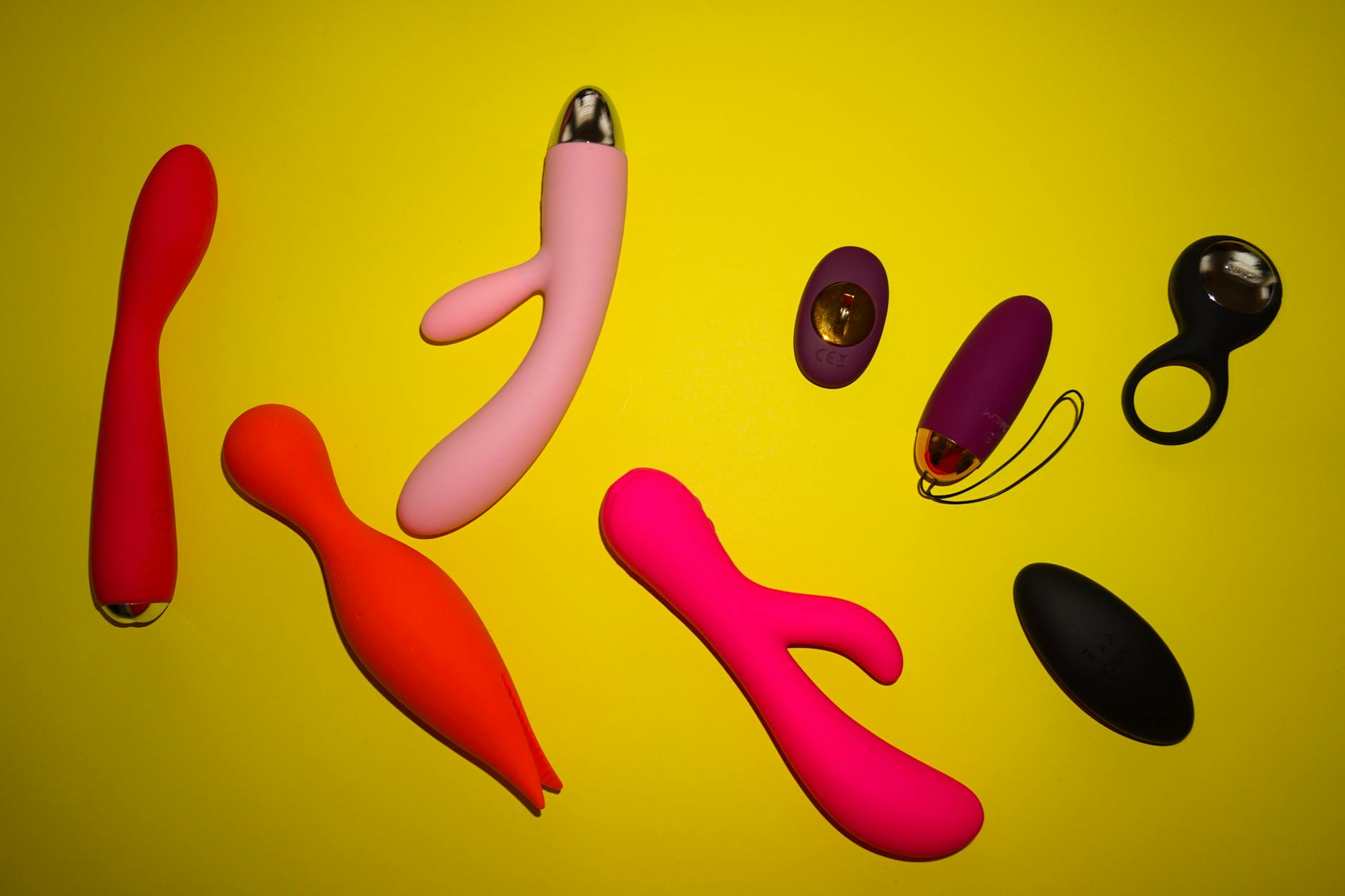
Photo by DRT.fm on Pexels
The conversation you'll need to have
If you're partnered, the physical reintroduction of sensation needs to come with an emotional conversation. Not "I'm numb and it's your fault." But something like: "I've realized our sex has gotten really predictable, and I miss feeling surprised. I want to try something different. I need your help with this."
Good partners will respond to that. They want you to feel good. They want to feel desired again too. Introducing a lemon clitoral vibrator becomes a team project instead of a solo rescue mission.
If you're single and experiencing numbness, that conversation is with yourself. What do you actually want to feel? What would make you excited about your own pleasure again? Often it's permission to slow down. To try new things. To stop performing arousal and actually experience it.
When it clicks
Most people notice the shift around week two or three. A moment where a sensation catches you off guard. Where you gasp a little. Where your attention snaps back into your body. That's not the vibrator doing magic. That's your nervous system waking up from a very long sleep.
What comes after is up to you. Some couples integrate vibrators regularly. Some use them as periodic reset buttons when routine creeps back in. Some find that the novelty and communication created by introducing a lemon vibrator is enough to change the whole dynamic, and the toy itself becomes optional.
The goal isn't to become dependent on vibration. It's to remember that your body is capable of sensation. That pleasure is still available to you. That years of routine don't have to mean years of numbness.
FAQ
How long does it typically take to regain sensation with a lemon vibrator?
Most people notice the first shifts in sensation within three to five solo sessions. More meaningful reconnection usually happens over two to three weeks of consistent use. That said, this isn't linear. You might feel huge shifts one day and duller sensations the next. That's normal as your nervous system reorients. If you're not noticing anything after a month of regular use, it might be worth checking in with a doctor to rule out other causes of numbness.
Should I tell my partner I want to use a lemon vibrator if we're in a long-term relationship?
Yes. Introducing a vibrator without discussion often triggers insecurity ("Am I not enough?"), which makes the whole experience worse. Instead, frame it as collaborative. "I want to feel more sensation again, and I think this could help us both. Can we try this together?" Most partners are relieved to have direction and enthusiasm back in your sex life.
Can numbness come back after I've rewoken sensation?
Yes, if you slip back into predictable patterns. That's not failure. It just means you'll recognize it faster next time and know how to interrupt it. Some couples use a lemon vibrator monthly as maintenance. Others use it whenever they feel routine creeping back. It's like going to the gym. You don't stop moving your whole life. You just check in periodically.
What if a vibrator makes me feel more disconnected, not less?
That happens sometimes, especially if there's unresolved relationship tension or if you're using the vibrator under pressure. Take a break. Try again when you actually want to. If it consistently feels disconnecting, you might be dealing with something deeper than habituation. A sex therapist or counselor can help untangle what's really going on.
Are lemon clitoral vibrators different from other vibrators for this purpose?
The suction-based stimulation of lemon vibrators creates sensation that's genuinely distinct from traditional buzzers or rabbits. Many people find it less intense but more enveloping, which can make it easier to reboot sensation that's been dulled by years of the same input. That said, what matters most is that it's novel to your body. Any new sensation can interrupt habituation.
How do I know if my numbness is just routine or something medical?
Routine numbness usually improves with novelty, time, and attention. Medical numbness (from medications, hormonal shifts, or neurological issues) typically persists across contexts. If you're numb with a vibrator, numb with your partner, numb during solo touch, and it's been months, check in with a doctor. Otherwise, assume it's habituation and give yourself permission to interrupt the pattern.
The bottom line
Numbness after years of routine sex isn't a relationship death sentence. It's your nervous system telling you that it's bored. And nervous systems that are bored can be woken up again. A lemon clitoral vibrator is one powerful way to do that, but it works best alongside curiosity, communication, and willingness to let your sex life become unfamiliar again. That's when the real reconnection begins.
If you want support thinking through how to approach this conversation with your partner, or if numbness is connected to deeper relationship tension, reach out. That's exactly what we're here for.