
The honeymoon phase isn't forever
Here's what happens when a couple discovers a lemon vibrator together. The first time is mind-bending. The second time is still incredible. By week three, one partner mentions casually, "It doesn't feel quite as intense." By week five, you're both wondering if something broke or if your bodies just... adapted. Nothing broke. Your nervous system did exactly what nervous systems do.
This is sensory adaptation, and it's wildly common with air suction lemon vibrators in couples because they feel so different from anything else that penetration or other stimulation usually bypasses. The suction novelty hits hard. And then it normalizes.
Here's the thing though: desensitization isn't inevitable. It's a choice you can interrupt with the right structure.
Why lemon vibrators numb faster in couples
Three reasons show up clinically over and over.
Frequency compounds the adaptation. When you have a partner and a shared toy, the temptation is to use it every time you're together. If you're having sex or solo sessions three to four times a week, your nerve endings are getting the same stimulation input constantly. Your brain files it as "background noise" and stops paying attention. This happens faster with air suction because the sensation is more uniform and concentrated than traditional vibrators.
Lack of variation. Most couples find one setting they love and stick with it. Setting 3 on a lemon vibrator, same pattern, same rhythm, same spot. Your nervous system is literally bored. It's asking for novelty, and you're serving it the same plate.
No recovery windows. Solo players often naturally space out their sessions. Couples don't. You're both there, both in the mood, both expecting the toy to deliver. Without breaks, there's no window for sensation to reset.
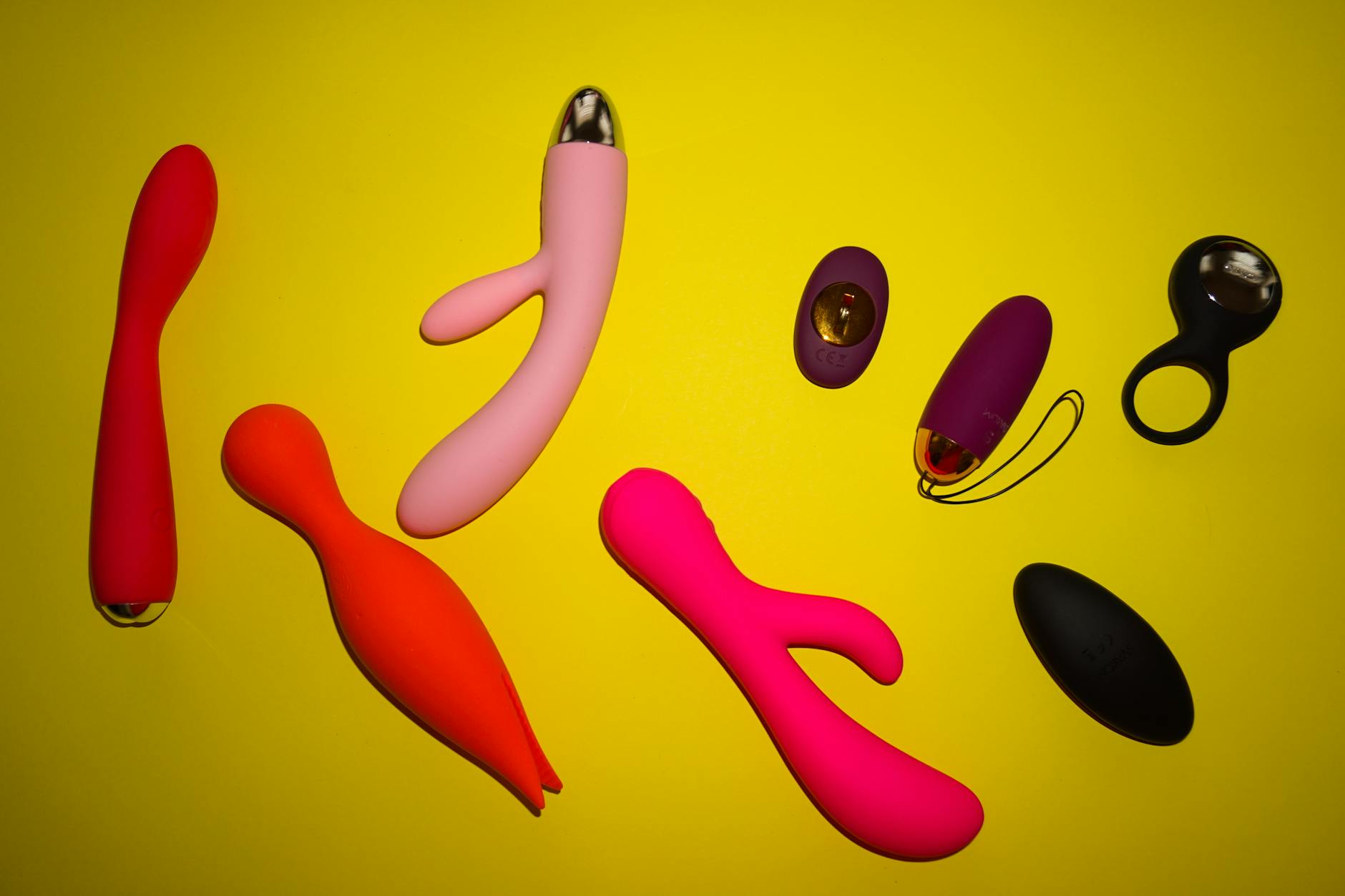
Photo by FounderTips on Pexels
The neuroscience of habituation
Your brain isn't broken. It's doing its job. Sensory gating is a protective mechanism. When something becomes predictable and constant, your brain stops firing neurons for it so intensely and redirects those resources elsewhere. It's why you stop noticing background noise or why a tight shirt feels invisible after an hour.
With a lemon clitoral vibrator, this happens faster than with traditional vibrators because the sensation is more localized. Traditional vibes stimulate a broader area. Air suction toys concentrate all their effect into one precise spot. Intense stimulation in one place, repeated frequently, = habituation.
This is not a sign that the toy is failing or that your body is broken. It's neurobiology. And it's reversible.
The practical framework: spacing and structure
I recommend this to couples all the time, and it works. Call it the two-week micro-break system.
Week one and two: Use the lemon vibrator normally, three to four times a week maximum. Note which settings feel best.
Week three: Pause the vibrator entirely. This isn't punishment. It's reset. You're using other toys, hands, or nothing but each other's bodies. Your nerve endings are craving novelty anyway, so this often ends up being hotter than you expect.
Week four: Bring the lemon vibrator back, but only at settings you didn't use heavily. If setting 3 was your go-to, now try setting 2 or 4. Or find a completely different pattern. Novel input = responsive nervous system.
Repeat the cycle. This isn't rigid. If you're in a good rhythm and it still feels incredible, keep going. But the moment you notice "It doesn't feel like it used to," insert the break immediately. Don't wait three weeks.
Communication frameworks that actually work
Here's where a lot of couples fumble. One person notices the desensitization first and assumes the other person is bored with them. "You don't seem into it anymore." That's not what's happening, but that's what gets heard.
Use this structure instead:
Frame it as a nervous system thing, not a person thing. "I noticed sensation changed for me, and I read that this happens with air suction toys after a few weeks. Nothing about you changed. My body just adapted. Should we experiment with what helps?"
Make the break a shared reset. This is crucial. If you say "I'm taking a week off," it sounds like you're rejecting the toy or the activity. If you say "Let's try something different for a week and come back to this," it's collaborative. You're solving a problem together, not one person managing a deficit.
Track what works and what doesn't. This sounds clinical but it changes everything. Keep a simple note. "Week 1-2: Setting 3, every other day, amazing. Week 3: Setting 3 losing intensity." By week 6, you know exactly what your adaptation pattern is and you can anticipate the break before sensation fully flatlines.
As a couples therapist, I see this pattern shift relationships in subtle ways. Most couples haven't experienced this kind of communication around pleasure. When you solve it collaboratively, you're building the exact skill set you need for literally everything else in the relationship.
Alternating roles and positions
One thing I coach couples through is the difference between self-directed use and partner-directed use.
When you're using a lemon vibrator on your partner, you can control timing, intensity, and pressure in ways that solo play doesn't allow. This novelty alone can interrupt the adaptation cycle. If your partner usually uses the toy alone, try having them use it on you. If you've been using it the same way every time, rotate who holds it and who receives.
This isn't a magic fix but novelty is your actual antidote. You're essentially tricking your nervous system into paying attention again.
When to introduce other toys into the rotation
Some couples think the solution is buying more toys. Sometimes yes, sometimes no. If you're using a lemon vibrator and a traditional vibrator in the same session, you're actually training your body to adapt faster because you're giving it even more sensory input to habituate to.
Instead, structure your toy rotation deliberately. A couple might use the lemon vibrator for weeks one and two, switch to a different toy entirely for weeks three and four, then come back. Your nervous system gets reset by the contrast.
If you want to add another lemon clitoral vibrator (maybe one for each partner), that works too, but make sure you're using them differently each time. One partner uses setting 1, the other uses setting 5. One session focuses on sustained suction, another on pulsing patterns.
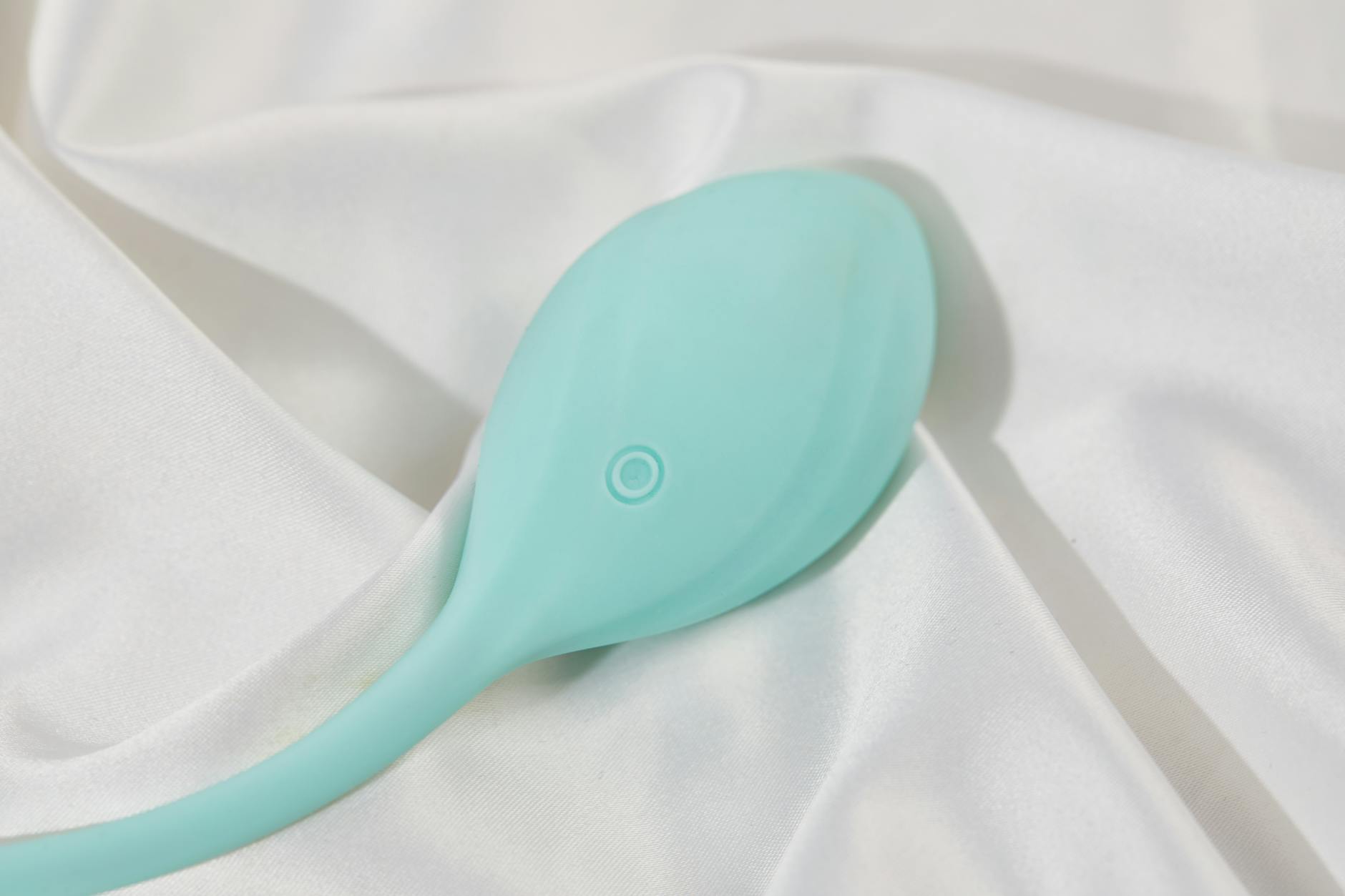
Photo by IFONNX Toys on Pexels
The permission piece
Here's the part nobody talks about. A lot of desensitization in couples happens because one partner feels like they "should" be using the lemon vibrator constantly, or like taking a break means something's wrong.
You don't have to use it every time. You don't have to use it at all if it stops serving you. This is so important. I've worked with couples who felt guilty for losing sensation and interpreted it as a personal failure. It's not. It's just how bodies work. The tool is there when you want novelty. When you don't, you don't use it.
This permission itself often restores sensation faster than any technical fix. When you stop white-knuckling the toy, when you stop trying to force the feeling to stay, the feeling often comes back naturally.
Maintenance helps
I'll mention quickly: sometimes apparent desensitization is actually about toy care. If your lemon vibrator's suction power is declining, that feels like your body adapted when really the toy just needs cleaning or maintenance. Check the suction seal, run it under water, dry it thoroughly. A clean toy often delivers dramatically different sensation than a gunked-up one.
FAQ
Why does desensitization happen faster with lemon vibrators than traditional vibrators?
Lemon vibrators use focused air suction stimulation on a concentrated area, which causes faster sensory adaptation than the broader, more diffuse sensation of traditional vibrators. Your nervous system habituates to intense, localized input faster than to varied input across a larger area. This is pure neurology, not a failing of the toy or your body.
Can you reverse desensitization if it's already happened?
Completely yes. Taking a one to two week break from the toy, switching to other forms of stimulation, and then reintroducing the lemon vibrator with different settings or patterns will restore sensation in most cases. The key is giving your nervous system time to reset. Sensation usually bounces back within 10-14 days of non-use.
How often can couples safely use a lemon vibrator without causing desensitization?
Three to four times per week is the sweet spot for most couples to avoid rapid habituation while still getting regular use. However, this varies by individual and by how the toy is used. Some people adapt faster; others can use it more frequently. Pay attention to the sensation and adjust your frequency accordingly.
Is it normal for couples to experience desensitization at different rates?
Completely normal. One partner might notice sensation changing after two weeks while the other still feels intensity at week four. This is because nervous systems and tissue sensitivity vary widely between people. It's not that one person is "wrong" or less sensitive. They're just different. The solution is still a shared break and rotation strategy.
Should we use our lemon vibrator on the same schedule or can we use it separately?
Separate use actually prevents desensitization better in many couples. If both partners use the toy solo at different times, you get built-in variety and recovery. When you only use it together, you're synchronizing adaptation. Mix it up. Use it separately sometimes, together other times. This variation keeps sensation alive.
What's the difference between desensitization and a toy that's actually losing power?
Desensitization feels like "the toy doesn't hit the same anymore" even though it sounds and feels normal when you test it. Power loss feels like weakened suction, quieter motor, or intermittent function. You can test by trying the toy on your arm or hand. If suction feels strong there but weak during use, it's likely desensitization. If it feels weak everywhere, the toy may need maintenance or replacement.
The bigger picture
Desensitization with a lemon vibrator isn't a problem to solve. It's a signal to listen to. Your body is telling you it needs something different. Maybe that's a break. Maybe that's a new setting. Maybe that's a conversation with your partner about trying something you haven't before.
The couples I work with who navigate this well are the ones who see it as information, not failure. You're learning how your shared pleasure works, what your bodies need, and how to communicate about it. That's the real win. The lemon vibrator is just the starting point.
Want to talk through your specific situation? Let's connect.