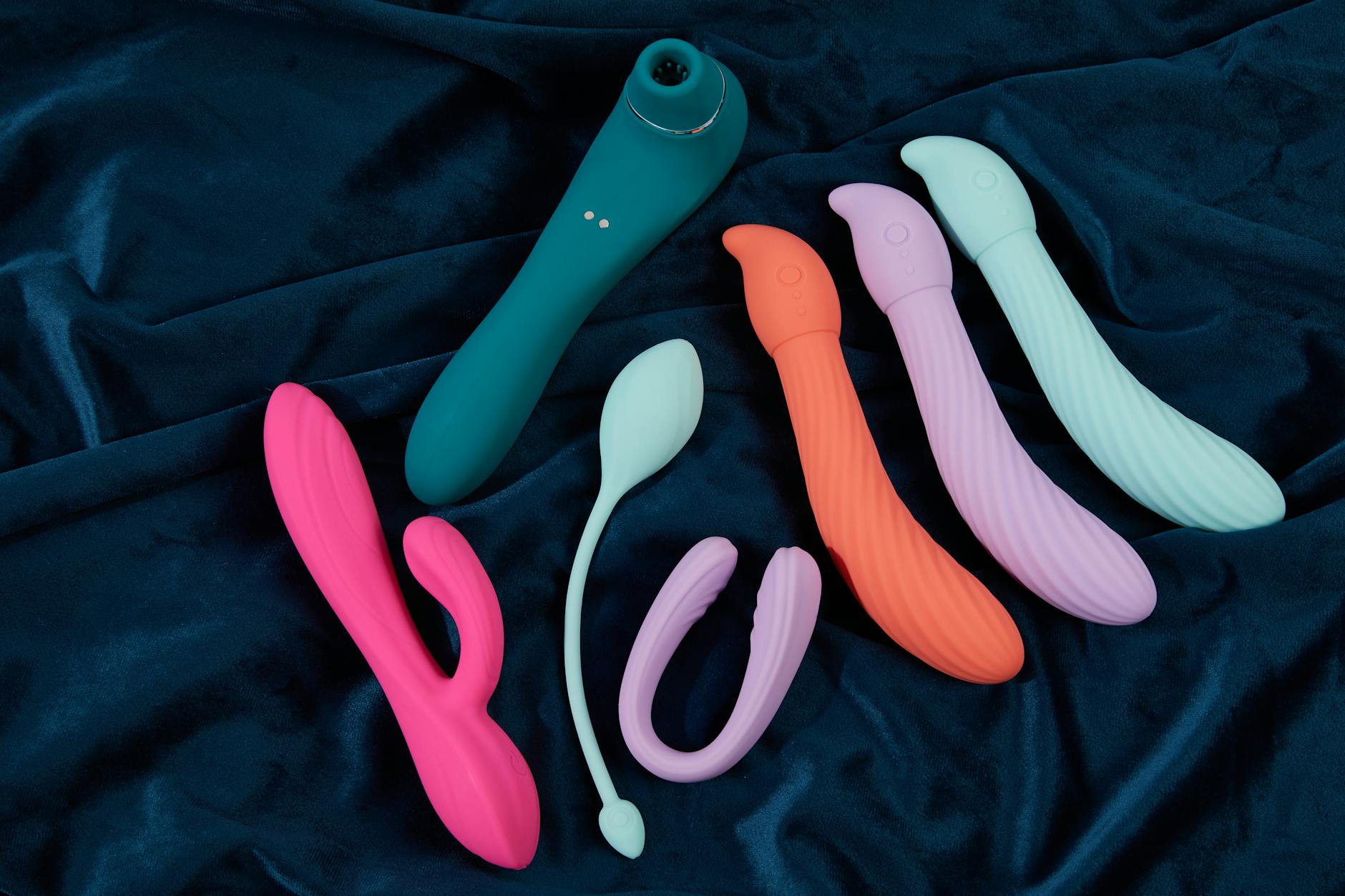
Why Lemon Vibrators Feel Better During Certain Times of Your Cycle
Here's the thing: your body is not a static machine. It's a seasonal landscape that shifts every 28 days or so, and your pleasure responds to those shifts in completely predictable ways.
Most people never connect the dots. They notice that some days penetration feels amazing and other days it feels uncomfortable. They wonder why they can orgasm in seconds one week and need 20 minutes the next. They assume they're broken. They're not. They're just not paying attention to their cycle.
This is especially true if you use lemon vibrators or other clitoral toys. Air-suction technology is already more sensitive and responsive than traditional vibrators. Add hormonal fluctuation, and the experience swings wildly. The good news: once you understand the pattern, you can time your pleasure for maximum payoff.
How your cycle actually changes sensation
Your menstrual cycle doesn't just affect fertility. It changes blood flow, tissue thickness, nerve sensitivity, and neurotransmitter levels. These aren't abstract medical facts. They're the physical foundations of how pleasure works.
Estrogen rises in the follicular phase (days 1-14). This increases blood flow to your genitals, makes tissue more elastic, and sharpens nerve sensitivity. Your arousal baseline is higher. It takes less stimulation to get your attention.
Then comes ovulation. Testosterone spikes. This is the week when desire peaks hardest. You want it. Your body is primed. A lemon vibrator feels almost too intense if you're not careful, because the tissue is engorged and hypersensitive.
After ovulation, progesterone rises during the luteal phase (days 15-28). This literally dampens your nervous system. Sensation becomes duller. Arousal takes longer. You need more stimulation to reach the same intensity.
This isn't variation. This is your body working exactly as designed.
The follicular phase: your high-sensitivity window
Days 1-14 are when lemon clitoral vibrators feel most precise and responsive.
In the first few days after your period starts, bleeding itself reduces blood flow downward, so you might notice sensation feels a bit muted. That's normal. By days 5-7, things change. Estrogen begins climbing. Blood pools in the tissue. A lemon vibrator that felt overwhelming last week suddenly feels just right.
This is the phase where you can experiment with lower suction levels and shorter warm-up times. Your tissue is already engorged. Your nerves are already engaged. You might orgasm faster than any other time in your cycle, and the sensation will feel sharper and more focused.
Many people report their most intense clitoral orgasms during the follicular phase. There's a reason for that. Your clitoris is literally more sensitive. The tissue is thicker. The blood flow is better. A lemon vibrator is designed to work with your anatomy, not against it, so it amplifies everything that's already happening.
If you're timing your pleasure intentionally, this is your window. This is when you can use lower intensity settings on your Hello Nancy vibrator and still get complete satisfaction. This is when you might discover new sensations you thought you'd lost.
Ovulation: the peak intensity week
Around day 14, testosterone surges. For about 5 days, your desire peaks harder than any other time in your cycle.
This is paradoxically when lemon vibrators might feel too intense if you're not prepared. Your tissue is maximally engorged. Your nerve endings are firing. An air-suction device that usually requires sustained effort to build sensation might trigger orgasm in under a minute if you go straight to higher settings.
That's not a problem. It's an opportunity.
This is the week to explore intensity you normally reserve for relaxation. This is when you might try patterns you usually find too strong. Your body can handle more because your nervous system is literally running hotter.
But here's the trap: if you chase that intensity every single day of your cycle, you'll desensitize. Using a lemon vibrator on ovulation settings during your luteal phase trains your body to need that intensity just to feel anything. That's why some people report their lemon vibrator feeling less intense over weeks of regular use. They're not accounting for cycle timing.
Once you stop and sync with your cycle, sensitivity returns.
The luteal phase: the recalibration window
Days 15-28 are when progesterone dominates and sensation flattens.
This doesn't mean you can't have pleasure during your luteal phase. It means you need to approach it differently. Longer warm-up time. Lower initial intensity that you build gradually. More lubrication even if you don't usually need it. Patience with your body for taking longer to respond.
This is also the phase when many people accidentally conclude their lemon vibrator is broken or losing suction power. They're not. Your nervous system is just running slower. It's the same reason you feel less energized, more introspective, and less interested in intense stimulation overall during this phase.
If you have a partner, the luteal phase is when mismatches often happen. Your partner might want intensity while you're craving gentleness. Your partner might want quickies while you need extended foreplay. Understanding these cycle-driven differences can actually prevent resentment.
During your luteal phase, lemon vibrators still work beautifully. They just require intentional setup. Give yourself 15-20 minutes. Use water-based lubricant. Start at pattern 1 or 2. Build gradually. Your orgasms might be slower to arrive, but they often feel deeper and more diffuse across your entire pelvic floor.
Tracking what actually changes
Every cycle is different. Some people have dramatic sensation shifts. Others are subtler. The only way to know your pattern is to pay attention.
Start noting three things over two cycles:
-
What intensity setting feels best each week. Are you defaulting to patterns 1-2 one week and jumping to 4-5 another week?
-
How long foreplay takes. Does your arousal build in 5 minutes during week two, but need 15-20 minutes during weeks three and four?
-
What lubrication you need. Are you reaching for lube during your luteal phase but rarely during follicular?
Once you see the pattern, you can plan around it. This isn't magic thinking. This is working with your body's actual physiology instead of fighting it.
Why this changes everything about device choice
If you're considering a lemon vibrator for the first time, or you've never tried air-suction toys before, understanding your cycle timing makes your first experience so much better.
Try your first air-suction device during your follicular phase, ideally around ovulation. Your tissue will be maximally responsive. You'll feel the technology actually working instead of wondering if it does anything. You'll get the full sensory experience without spending 30 minutes building arousal.
If you start during your luteal phase, you might think the device doesn't work. You'll give up too early. Then you'll miss out on months of better pleasure because you concluded it wasn't for you.
Timing matters. The lemon vibrator isn't the variable. Your cycle is.
When to adjust technique vs. when to let go
Some luteal phase days, you genuinely don't want stimulation. That's not dysfunction. That's your body telling you what it needs.
There's a difference between "I want pleasure but my body is taking longer to respond, so I'll adjust my approach" and "my nervous system is not interested in this right now, and I should listen."
Both are normal. Both deserve respect.
If you're noticing patterns like this across multiple cycles, you might be navigating the intersection of low libido and cycle timing, or you might be listening to genuine need for rest. Neither is a reason to panic. Both are signals worth honoring.
People also ask
How long does it take for cycle effects on pleasure to show up?
Most people notice shifts within 1-2 full cycles of intentional tracking. The first month you might just see raw data. By month two, the pattern becomes obvious. Hormonal changes are subtle enough that your brain often filters them out until you've looked twice.
Can I use a lemon vibrator during my period?
Absolutely. Period sex is totally fine. Many people find they actually want more stimulation during menstruation because blood flow is already elevated. Use a towel, have water-based lubricant handy, and know that suction-based devices can feel slightly different when you're menstruating. Nothing is wrong with your toy. Your body is just slightly different. Some people love it. Some don't. Both reactions are completely normal.
What if my cycle is irregular?
If you're tracking and noticing your cycle is genuinely unpredictable, or if you're on hormonal birth control, cycle syncing becomes less useful. That's fine. Pay attention to how you feel day by day instead of trying to predict week by week. The principle remains the same: sensation and arousal shift, and you can work with those shifts instead of assuming they're problems.
Does hormonal birth control change how a lemon vibrator feels?
Yes. Hormonal birth control flattens your hormonal fluctuations, which means the dramatic differences across your natural cycle might not apply. You might notice subtler shifts instead. Or you might notice nothing. Many people on hormonal birth control find air-suction devices feel consistently good throughout the month, without the weekly peaks and valleys. If you want to optimize pleasure while on birth control, this guide covers that specifically.
Why does ovulation week feel so different?
That testosterone spike is real and profound. It literally shifts your motivation, confidence, and desire in ways that are observable. Combine that with peak estrogen and blood flow, and you've got a physiological state that's fundamentally different from any other week. Your nervous system is just more activated. A lemon vibrator is more responsive. Your body is ready. It's not imagination.
Can I prevent the luteal phase decrease in sensation?
Not entirely. Your progesterone levels are going to do what they're designed to do. You can't prevent the physiological dampening. What you can do is adjust your approach. More time, lower starting intensity, better lubrication, gentler expectations. Work with the phase instead of trying to override it. That's actually way more sustainable than chasing the follicular phase intensity all month and burning out.
Your cycle is not a flaw in your pleasure. It's the infrastructure underneath it. Once you understand that your lemon vibrator isn't the problem on weeks when sensation feels muted, you stop assuming something's wrong with you. You start working with your body instead of against it. That shift alone changes everything about how you experience pleasure across the month.