Let's talk about the thing nobody warns you about
You started an SSRI or SNRI for depression or anxiety. The medication worked. Your mood lifted, your sleep got better, you stopped spiraling. And then you noticed something else changed. Arousal feels muted. Orgasms take longer or feel less intense. Sensation seems further away, like you're experiencing pleasure through a layer of glass.
This isn't in your head. It's not because the medication is "working too well" at dampening everything. And it's definitely not your fault.
Here's what actually happens when antidepressants rewire how your nervous system handles pleasure, and why tools like lemon clitoral vibrators can be genuinely useful when sensation shifts.
How SSRIs and SNRIs change sensation
Serotonin isn't just about mood. It's deeply involved in sexual response. Serotonin reuptake inhibitors (the SSRI class, which includes sertraline, fluoxetine, and paroxetine) and serotonin-norepinephrine reuptake inhibitors (SNRIs like venlafaxine and duloxetine) increase serotonin availability in your brain.
On one hand, this calms anxiety and steadies your mood. On the other hand, elevated serotonin can dampen dopamine firing in the reward pathways that light up during sexual stimulation. It's not that you can't feel pleasure. It's that the signal has to travel further to register as pleasurable.
The sensation itself doesn't disappear. The responsiveness to that sensation does. Your clitoris is still there. It still has the same nerve density. But the chain reaction from touch to arousal to orgasm feels longer, quieter, or requires more sustained stimulation to complete.
Different antidepressants cause different degrees of sexual side effects. Bupropion (Wellbutrin) is known for preserving or even boosting sexual function. SSRIs are the most likely culprits for delayed orgasm or reduced arousal. Some people experience this for a few weeks and then adapt. Others deal with it for the duration they're on the medication.
Why sensation feels different, not gone
Here's the distinction that matters. Sexual dysfunction from antidepressants is not about capacity. Your body can still orgasm. Your genitals still work. What's different is the effort required and the intensity of reward.
Imagine a volume knob on pleasure. The medication doesn't turn it off. It turns it down. You might go from orgasm at 60% stimulation to needing 85% or 90%. You might experience an orgasm as a 7 out of 10 instead of a 9.
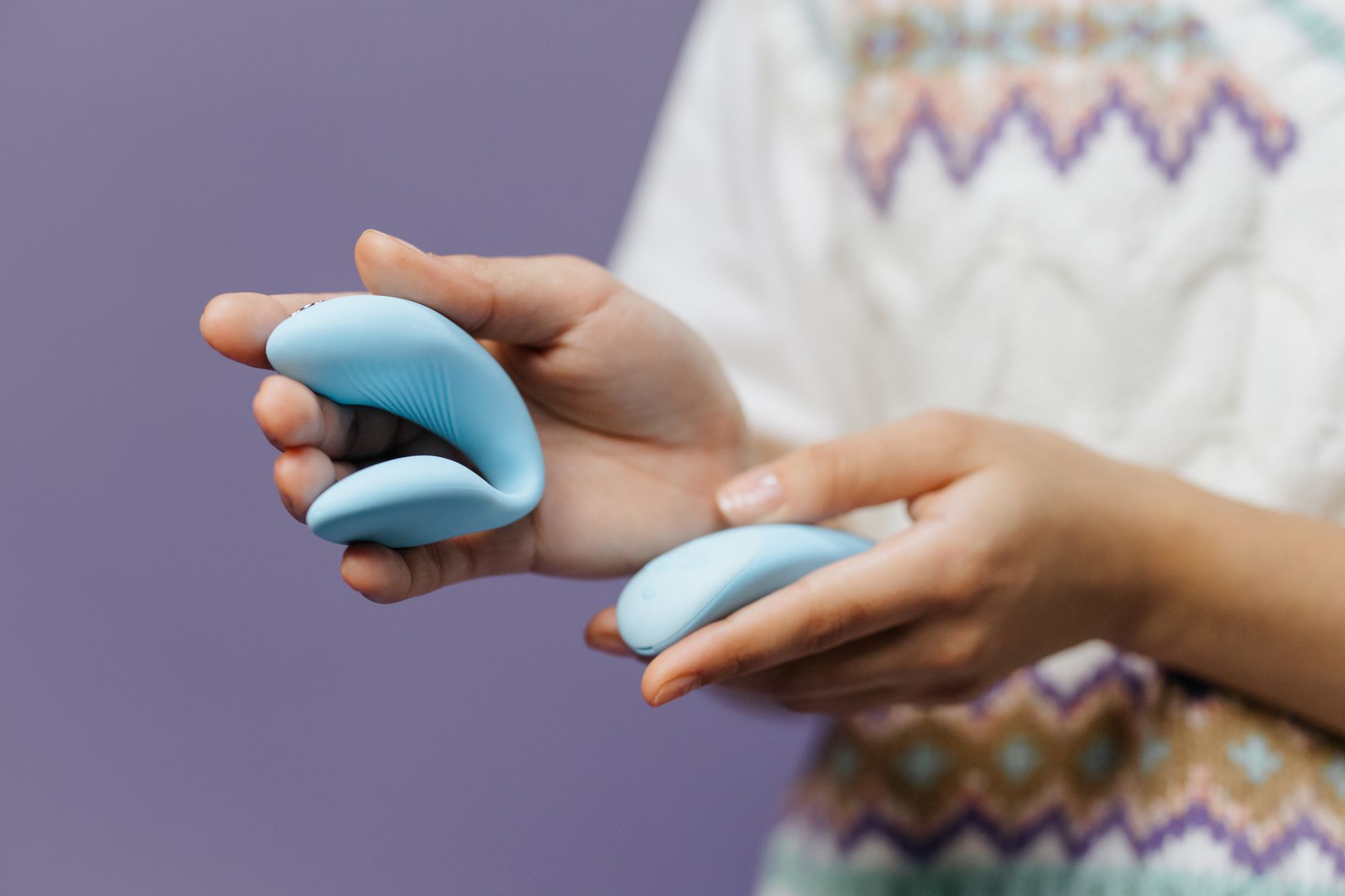
This is why a lemon clitoral vibrator, which applies focused suction stimulation, often feels different than it did before antidepressants. The lemon sucker creates concentrated pressure without requiring direct friction. That sustained, targeted sensation can bridge the gap that the serotonin shift creates.
The practical reality of medication and pleasure
Three things you should know right now.
First, stopping your antidepressant to "fix" your sex life is not the move. Depression and anxiety wreck pleasure in completely different ways. Trade one problem for the other and you've solved nothing. If sexual side effects are genuinely intolerable, talk to your prescriber about dose adjustment, timing changes, or switching medications. Don't go rogue.
Second, your brain can adapt. For many people, the sexual side effects plateau or reduce after a few weeks or months. Your nervous system is flexible. Patience here pays off more than you'd expect.
Third, adjusting how you use pleasure tools matters. When arousal takes time to build after medication, longer warm-up and sustained stimulation become your friends. A lemon clitoral vibrator's suction pattern works well here because it doesn't fatigue your tissues the way sustained friction can.
What actually helps when sensation shifts
Four concrete moves:
1. Extend your timeline. This is not a loss. It's a recalibration. Arousal might take 20 minutes instead of 5. Build that in. Don't treat it as a problem to rush through.
2. Lean into sustained patterns. Lemon vibrators, with their suction-based stimulation, maintain consistent sensation without the intensity spike of traditional vibration. This matches how antidepressant-altered sensation often responds better than to rhythmic buzzing.
3. Layer sensations. If the lemon vibrator alone feels muted, add mental focus. Engage fantasy or dirty talk. The brain is still your most powerful pleasure organ. Antidepressants don't dampen imagination, only the automatic physical response.
4. Communicate with your partner. "I'm on medication that slows down arousal" is a clean, factual statement. It removes shame and sets realistic expectations. Many partners respond with genuine relief. Now it's not "your problem." It's "something we're navigating together."
When to escalate the conversation with your doctor
If sexual side effects are severe and persistent after three months, or if they're affecting your quality of life significantly, bring it up at your next appointment. Options exist. Your doctor might suggest:
. Lowering the dose (if your mood is stable enough). . Switching to a different antidepressant (bupropion is the safest bet for sexual function). . Taking an extra med that counteracts the sexual side effect (though this has its own trade-offs). . Strategic timing (some people take their dose before bed if side effects feel worst in evening hours).
None of these conversations is a failure. Your sexual pleasure matters as much as your mental health. These aren't competing needs.
The reframe that actually helps
Antidepressants give you something precious. They give you the mental clarity to know what you actually want. Depression and anxiety scream so loud that desire gets drowned out. Once they quiet down, you might discover that what you thought was "no sex drive" was actually "no capacity to access desire while in crisis."
When sensation shifts on medication, you get a different gift: you learn what your pleasure actually needs. You learn that arousal isn't automatic. That's information. That's useful. And tools like lemon clitoral vibrators, with their precision and sustained pressure, can be genuinely valuable while your nervous system finds its new baseline.
Your medication is protecting your mind. Your pleasure is worth protecting too. They're not enemies.
Common questions about antidepressants and sensation
Do all antidepressants affect sexual function?
No. Bupropion (Wellbutrin) is known for having minimal sexual side effects and sometimes even enhancing arousal. SSRIs and SNRIs are most commonly associated with delayed orgasm or reduced desire. Tricyclic antidepressants and newer agents like mirtazapine have varied profiles. If sexual dysfunction is a genuine concern, mention it during your initial assessment so your prescriber can choose accordingly.
How long does it take for sexual side effects to go away?
For some people, a few weeks. For others, they persist as long as you're on the medication. There's no universal timeline. Most commonly, adaptation happens within 4-8 weeks as your nervous system adjusts. If it hasn't improved by three months, that's when to revisit with your doctor.
Can you use a lemon vibrator if you're on antidepressants?
Absolutely. If anything, lemon clitoral vibrators may feel more helpful than traditional vibrators because their suction-based stimulation creates sustained pressure without sharp intensity changes. This often matches better with how antidepressant-altered sensation responds. Just follow standard toy care and hygiene practices.
Does lowering your antidepressant dose improve sexual function?
Sometimes, but it's risky. Lowering your dose without medical supervision can undermine the medication's effectiveness for your mood. If you're considering this, talk to your prescriber first. There may be better alternatives than dose reduction.
Is it normal for sexual side effects to feel worse some days than others?
Yes. Stress, hormonal shifts, relationship dynamics, and overall mental health all influence how noticeable antidepressant sexual side effects feel. A day when you're anxious might feel like sensation is completely flattened. A day when you're relaxed might feel closer to baseline. This is normal variability, not a sign something's wrong.
Should you tell your partner you're on antidepressants?
That's your choice. But if sexual changes are noticeable, telling your partner "My medication is affecting arousal timing" removes a lot of shame and confusion. Partners often assume it's about attraction or the relationship. Knowing it's pharmacological opens the door to collaboration instead of blame.
Antidepressants give you your life back. Sometimes they shift how pleasure feels in the process. That's not a flaw in the medication. It's a side effect you can navigate, understand, and work around. Your mental health and your sexual pleasure aren't in conflict. Both deserve attention and care.
If you're struggling with how your medication is affecting sensation, reach out. A conversation with your prescriber is the first step. And if you're looking for tools that work well with antidepressant-altered sensation, how lemon vibrators work differently on sensitive vulvas covers some of the same territory from a different angle.
You deserve to feel good mentally and physically. These aren't either-or choices.