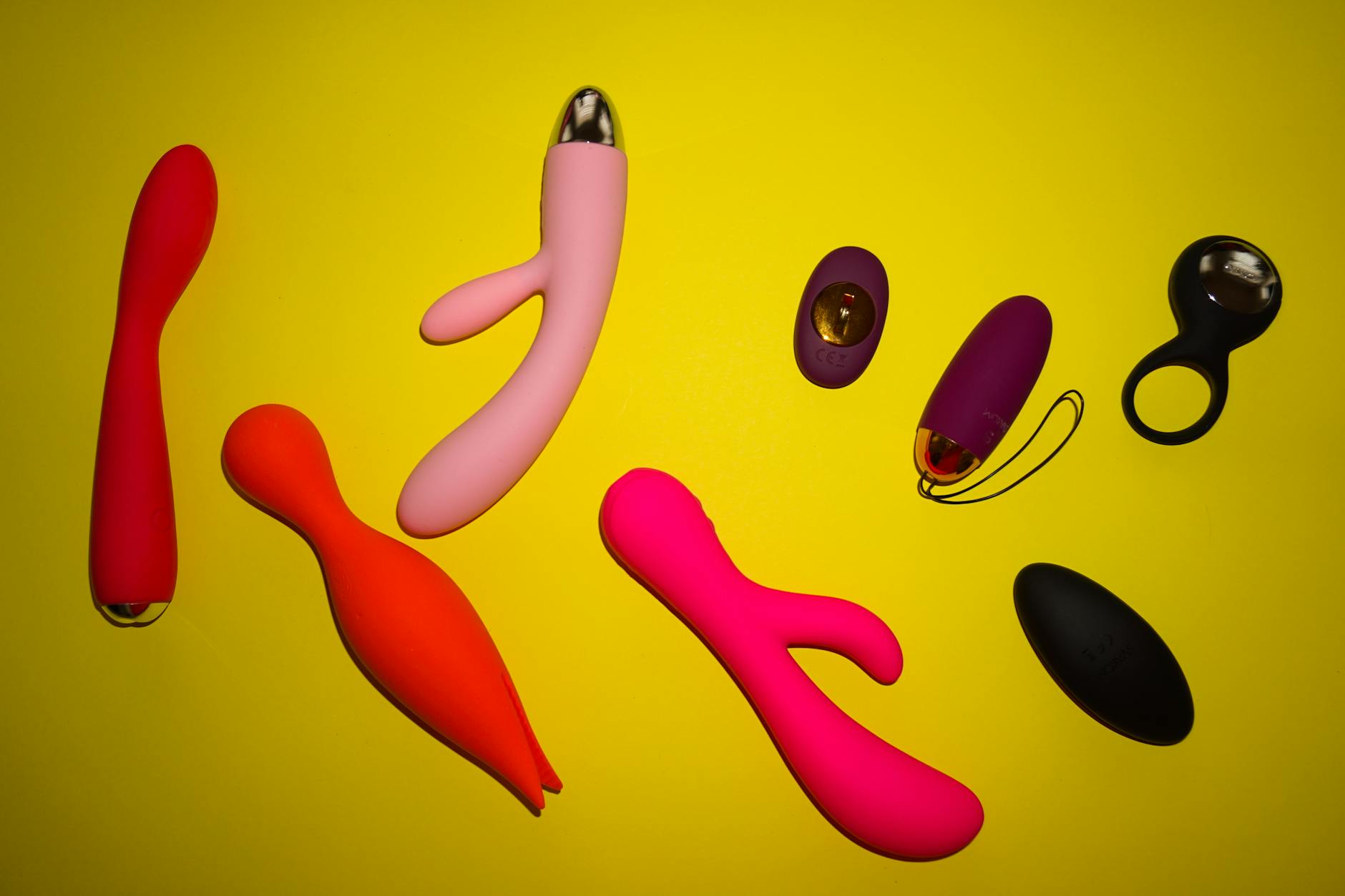
Let's talk about the elephant in the bedroom
Introducing a toy into partnered sex is one of the biggest thresholds couples cross. It carries weight. It can feel vulnerable, loaded, or like something one person wants more than the other. The device you choose either adds to that friction or removes it.
Lemon vibrators, specifically the suction-style design, are different from traditional vibrators in one critical way: they feel less like a replacement and more like a tool you're both exploring together.
Why traditional vibrators can create tension
A standard vibrator is obvious. It's inserted, it's doing the work, and someone's left holding the remote while the other receives. The power dynamic becomes visible in a way that can make things awkward, especially the first time.
There's also the historical baggage: vibrators were marketed for decades as solutions to problems ("ladies, you're too tense"). Using one can inadvertently trigger that old narrative, even if neither of you believes it.
Here's what really matters, though. The Lem vibrator, and lemon clitoral vibrators more broadly, work on suction rather than traditional vibration. That changes the whole game for couples.
What the suction design actually does
Suction-based stimulation (also called air-pulse technology) feels fundamentally different from vibration. It's more rhythmic, less invasive, and the sensation is concentrated rather than scattered across the entire vulva. For partners exploring together, this matters for three reasons.
First, it creates a focal point. You're not guessing where the sensation is landing. Second, the rhythm feels almost meditative, which takes pressure off both people to perform. Third, because suction doesn't require direct pressure the way a vibrator does, sensitive skin responds better to it, and arousal can build more gradually. That's huge for first-timers.
The psychology of shared exploration
When I work with couples navigating this transition, the ones who choose toys designed for mutual exploration (not one person being "done to") report higher satisfaction. The lemon vibrator design is inherently symmetrical. It's not something one person is wielding. It's something you're both engaging with.
Your partner can hold it. You can guide their hand. You can take turns. You can both experience what it feels like. That agency matters psychologically. You're not being fixed. You're experimenting together.
Compare that to a vibrator that's clearly positioned as a toy for the person with the vulva, and you see why the architectural difference is actually an emotional difference.
First-time practicalities
Let's get specific about what makes lemon adult toys easier for couples who are nervous.
Size matters. The Lem vibrator is compact. It's not intimidating to look at or hold. It doesn't require a conversation about "where does this go." You're not unwrapping something that looks medical or industrial. It's elegant, purposeful, and approachable.
Noise matters. A quieter toy means you're not distracted by the sound of mechanics. You're present with each other instead of hyper-aware that there's a device running. This sounds minor until you're actually in the moment and a loud buzz pulls you both out of it.
Control matters. With suction-based lemon vibrators, intensity builds gradually. You start low. You adjust upward. There's no sudden jolt. For someone who's anxious about the experience, this graduated approach is the difference between "okay, I can do this" and "no, I'm out."
What your partner needs to know
If you're the one suggesting the toy, frame it as exploration, not solution. "I want to try something together" lands differently than "I think this will help you." One is collaborative. The other implies a problem that needs fixing.
Explain what the toy does (suction, not vibration). Most people have a mental image of a traditional vibrator, so telling your partner how a lemon clitoral vibrator actually works removes some of the uncertainty.
Start small. A compact device like the Lem vibrator is less overwhelming than a large wand. You can always add more toys later. First devices should feel experimental, not committed.
Remember that pleasure doesn't equal orgasm. Some partners get anxious that the toy is supposed to guarantee climax. It's not. It's a tool for sensation. The goal is comfort and curiosity, not a performance target.
How to use it together
Here's what works for most couples new to this.
Start clothed or with clothes mostly on. Introduce the toy as something you're both curious about, not as something that's replacing hand contact. Use it on areas that feel safe first (inner thighs, lower abdomen) before moving to the vulva.
Let your partner hold it first so they understand how it feels in their hand. They'll be less nervous using something they've already explored. Then they can guide it, and you can offer feedback. This isn't passive. You're teaching each other.
Keep communication light and real. "That feels good" is better than silence. "Not quite there" is better than faking it. Toys reveal communication gaps between partners, so expect some awkwardness. That's normal and actually useful information.
Remember that the first time with any toy is research, not the main event. You're learning what works, what feels weird, what you want to adjust. Treat it like that, and the pressure drops immediately.
Why couples stick with lemon vibrators
After the first experience, the couples I've worked with who chose suction-based designs over traditional vibrators reported that they kept using them. Why? Because the design supports ongoing exploration instead of feeling like a one-off gimmick.
The Lem vibrator and similar lemon adult toys are designed to feel intuitive. You don't need an instruction manual to figure out how to use it as a couple. You can play with intensity, rhythm, and positioning without any formal learning curve. That accessibility is what makes them stick around in people's nightstands.
They're also discreet. If you share a home with roommates or kids, a sleek lemon clitoral vibrator is easy to store and doesn't scream "sex toy" if someone spots it. That privacy removes another layer of anxiety.
The emotional setup matters more than the toy
Here's the honest part: the toy isn't what makes partnered toy play work. The conversation does. The permission does. The willingness to be curious instead of defensive does.
I've seen couples use an expensive vibrator and feel more disconnected afterward. I've also seen couples use a simple suction device and feel closer because they approached it as something they were doing together, not something one person was doing to the other.
Choosing a lemon vibrator is choosing a tool that supports that collaborative energy. It's smaller, quieter, less intimidating, and easier for both of you to engage with. That architectural design choice frees up mental space for actual intimacy.
Your pleasure matters. Your partner's comfort matters. And the tool you choose to explore together either adds friction or removes it.
People also ask
Is it normal to feel nervous about using a toy with my partner for the first time?
Completely. You're introducing something new into the dynamic, and there's vulnerability in that. The nervous feeling usually passes within a few minutes of using it together, especially if you choose something approachable like a lemon clitoral vibrator. Focus on communication and curiosity instead of performance, and the nerves become part of the process, not a barrier to it.
Will using a lemon vibrator make my partner feel replaced?
Not if you frame it right. The key is positioning the toy as something you're both exploring, not as a substitute for your partner. A suction-based design like the Lem vibrator naturally encourages this because your partner can hold it, guide it, and stay actively involved. Their hands and attention are still the main event. The toy is supplemental.
Can we use a lemon vibrator if we've never used toys before?
Yes. The suction design is actually gentler than traditional vibrators, which makes it a smart first choice. Start at the lowest intensity setting, keep communication open, and expect some awkwardness. That's part of the process. What matters is that you're doing it together.
How do I suggest this to my partner without making them uncomfortable?
Bring it up outside the bedroom. "Hey, I've been thinking about trying something together" is better than ambushing them with a toy. Explain what it does (suction, not vibration, gentle, quiet). Show them photos. Let them ask questions. Frame it as exploration you both want, not as something one of you needs. If they're hesitant, don't push. Come back to it in a few months.
What if my partner wants to try this but I'm the nervous one?
Tell them. Honesty first. Then agree to take it slow. Start with a compact, quiet device. Use it on non-sexual areas first. Give yourself permission to pause or stop. Your comfort matters as much as their curiosity. A good partner will pace with you, not push you.
Is suction really that different from regular vibration?
Yes, tangibly so. Suction creates a more rhythmic, concentrated sensation. It feels less mechanical and more like direct stimulation. For couples exploring together, this matters because it's easier to control, less overwhelming, and feels more intimate than a buzzing vibrator. Try both if you can, and you'll feel the difference immediately.