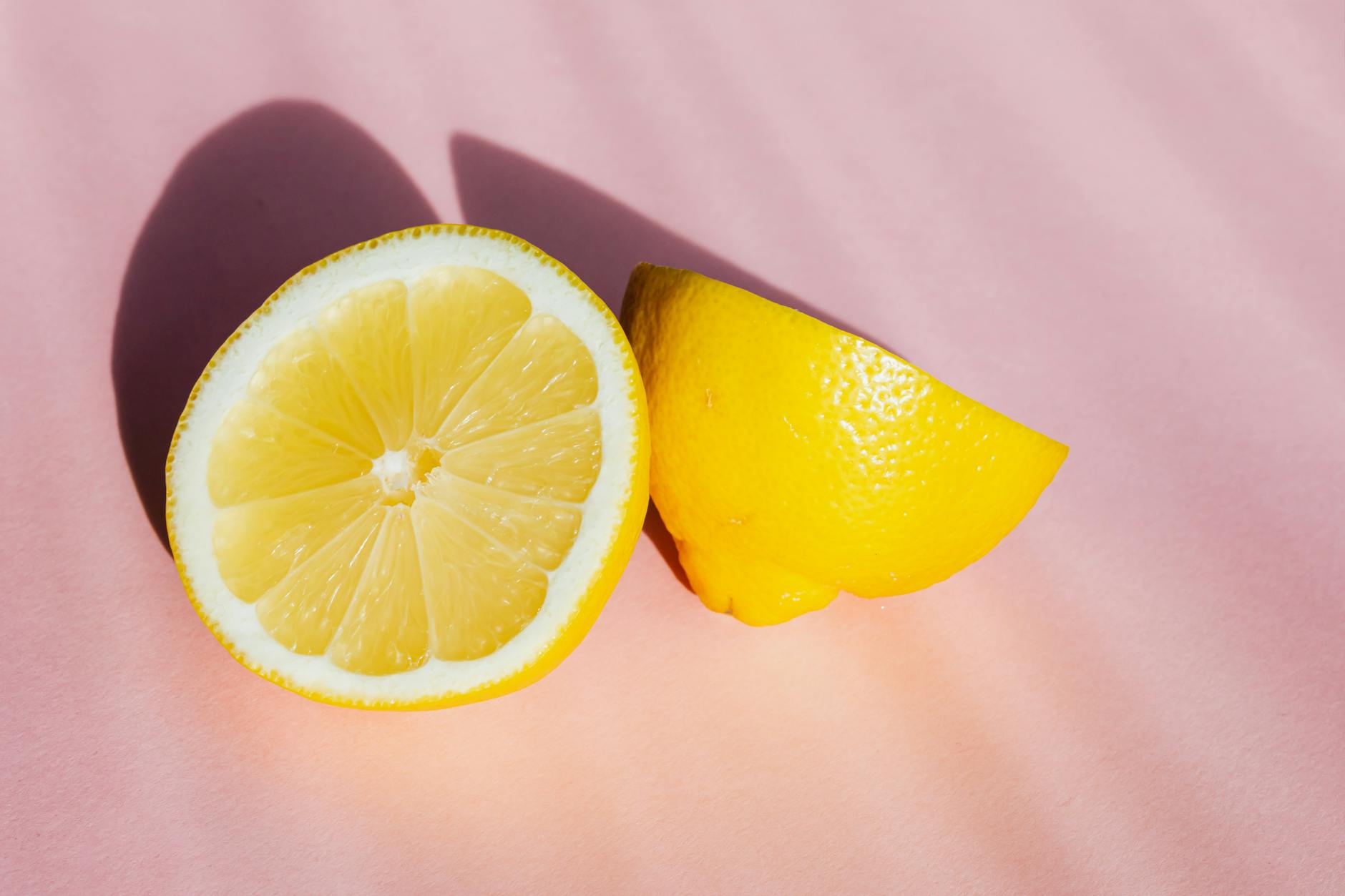
Why Lemon Vibrators Work Better for Sensitive Skin
If you've ever tried a vibrator and felt irritation, burning, or that uncomfortable raw feeling afterward, you're not alone. Between you and me, most people assume their skin is "too sensitive" for pleasure toys. Here's what's actually happening: it's not your skin. It's the toy.
The material problem is real
Not all silicone is equal. Cheaper adult toys use porous silicone that traps bacteria, harbors dust, and feels slightly sticky against delicate tissue. Porous materials also absorb lubricant differently, which can lead to drag and friction that leaves you feeling sore instead of satisfied.
High-quality silicone, by contrast, is non-porous, smooth, and inert. It doesn't leach chemicals, doesn't degrade easily, and doesn't irritate even the most sensitive skin. The difference isn't subtle. It's the difference between a toy that feels gentle and one that feels harsh.
Why shape matters more than you'd think
Take a lemon vibrator. The design is deliberately compact and rounded. There are no sharp edges, no awkward angles, no suddenly-wider sections that catch and pinch sensitive tissue. The shape is ergonomic in a way that wand vibrators often aren't.
Wand vibrators, for instance, have a wide flat head. Great for broad stimulation, but that flat surface means more surface area in contact with your skin at once. For someone with sensitive skin or anyone dealing with irritation, that can feel overwhelming. A lemon clitoral vibrator, by contrast, concentrates stimulation into a smaller, rounder contact point.
Compact lemon-shaped toys also let you control pressure more precisely. You can angle them, move them, or use just the tip if full contact feels like too much. Larger toys don't offer that flexibility.
The texture conversation
Smooth is better than textured when you have sensitive skin. This sounds obvious, but it's worth spelling out because some brands market "textured silicone" as a feature. Texturing increases surface area and can catch on delicate tissue, causing micro-tears that feel like irritation or rawness.
Lemon vibrators typically have completely smooth surfaces. That smoothness isn't a limitation. It's a feature. It means the vibration travels directly into the tissue without any friction or catching.
Vibration intensity and sensitive skin
Here's something counterintuitive: more power isn't better for sensitive skin. In fact, it's often worse. A high-powered vibrator on maximum intensity can cause numbness, irritation, or that post-session rawness that makes you want to avoid pleasure for days.
A well-designed lemon vibrator offers multiple intensity levels, and honestly, the lower settings are where the magic happens for sensitive skin. Start at level 1 or 2 and work up. Most people with sensitivity find that patterns and gentler intensities deliver more pleasure anyway because the tissue doesn't go numb.
The role of your own lubrication
Lubricant matters enormously, and material interacts with lube in different ways. Water-based lubricant is always safest (it won't degrade silicone), but some materials absorb it differently.
Smooth silicone holds water-based lube on the surface, which means consistent glide without drag. Porous silicone absorbs lube unevenly, which can lead to spots where friction increases suddenly. That inconsistency is often what people experience as irritation.
Use plenty of lube. Seriously. If you're using a lemon vibrator on sensitive skin, generous lubrication isn't luxury. It's basic maintenance.
Cleaning and irritation prevention
One of the biggest causes of sensitivity issues is bacteria buildup on toys. Toys that aren't fully waterproof or that have seams and textured areas trap bacteria between uses. That bacteria then gets in contact with delicate tissue, and what feels like "sensitivity" is actually low-grade infection.
Lemon vibrators designed well are typically fully waterproof and have no seams. That means you can clean them completely under warm running water with a tiny bit of soap. No hiding spots for bacteria. No mystery irritation the next time you use it.
Let it dry completely before storing it, ideally in a breathable pouch rather than a sealed bag. An air-sealed storage space creates humidity, which encourages bacterial growth even between uses.
Size and nerves
Clitoral sensation is concentrated in a relatively small area. The clitoris has thousands of nerve endings packed into a tiny space. That density is why even light stimulation can feel intense. It's also why overstimulation happens so easily.
A compact lemon vibrator is perfectly sized for the actual anatomy you're working with. It's not oversized or trying to stimulate a wider area. It's proportional, which means you're not fighting against a tool that's too big for the job.
Larger toys can feel cumbersome, and the instinct is to press harder or hold it in place longer. Neither of those helps sensitive skin. A smaller tool lets you stay responsive and adjust in real time.
When to see someone
If irritation persists even with a high-quality lemon vibrator, smooth silicone, good lube, and proper cleaning, talk to a doctor. Persistent irritation can signal vulvovaginitis, contact dermatitis, or other treatable conditions. Don't just assume you're "too sensitive" and give up.
The bottom line
Sensitive skin and pleasure aren't incompatible. The lemon vibrators from Hello Nancy are designed specifically to be gentle. They're made with smooth, non-porous silicone, they have no sharp edges or awkward angles, and they offer intensity levels you can control. Start low, use plenty of water-based lubricant, and clean thoroughly between sessions. That combination changes everything.
Your skin deserves toys that treat it with respect. You deserve to feel good without paying for it with irritation.
People also ask
Are lemon vibrators better than wand vibrators for sensitive skin?
Lemon vibrators and wand vibrators serve different purposes. Wand vibrators have a wider head, which some people love for broad stimulation. For sensitive skin specifically, lemon-shaped vibrators tend to be gentler because they concentrate stimulation into a smaller contact point and let you control pressure more precisely. That said, a high-quality wand with multiple intensity levels can also work for sensitive skin as long as you start low and use plenty of lubricant. The material and intensity settings matter more than the shape.
What material are lemon clitoral vibrators usually made from?
Good quality lemon vibrators are made from medical-grade silicone, which is non-porous, non-toxic, and hypoallergenic. Medical-grade silicone doesn't harbor bacteria, won't degrade over time, and won't irritate even sensitive skin. Avoid toys made from jelly silicone, rubber, or mystery plastics. If the packaging doesn't specify medical-grade silicone, that's a red flag.
Can I use a lemon vibrator if I have a latex allergy?
Yes. Silicone is completely different from latex, and people with latex allergies can safely use medical-grade silicone toys. However, do avoid latex condoms if you're covering the toy, and check that any storage pouch or packaging doesn't contain latex. When in doubt, ask the manufacturer directly about all materials that touch the toy.
How often should I clean my lemon vibrator?
Clean your vibrator before and after every use. A quick wash under warm running water with a tiny amount of soap takes 30 seconds and prevents bacteria buildup. Once a week, you can do a deeper clean by soaking it in warm water with a drop of dish soap, rinsing thoroughly, and letting it air dry completely. If your toy is rechargeable, make sure the charging port is completely dry before plugging it in.
Why does my vibrator feel rough after a while?
If silicone feels rough or sticky after a few uses, it's likely because the toy is porous or lower quality. Medical-grade silicone should stay smooth indefinitely. Roughness can also develop if you're storing the toy in a sealed bag with humidity (which encourages bacterial film), or if you're cleaning it with harsh soaps that damage the surface. Store in a breathable pouch, use gentle soap, and if roughness develops, replace the toy. A rough surface means it's degrading and bacteria might be present.
Is it normal to feel sore after using a vibrator?
Some sensitivity is normal if you're new to vibrators, but soreness or rawness isn't. Soreness usually means one of these: you went too long, you used too much intensity, the toy's material is irritating your skin, or you didn't use enough lubricant. Try reducing session length, starting at a lower intensity, using plenty of water-based lube, and switching to a smooth, medical-grade silicone toy like a quality lemon vibrator. If soreness persists, see a doctor to rule out infection or underlying irritation.
Your pleasure deserves the right tool
If you're curious about exploring what Hello Nancy offers, the complete guide to lemon vibrators walks through everything you need to know about choosing, using, and caring for clitoral vibrators. You'll find specifics on intensity levels, patterns, materials, and how to figure out what works best for your body.
The right toy, the right material, and the right approach transform the experience. Sensitivity isn't a barrier. It's just information telling you to be intentional.