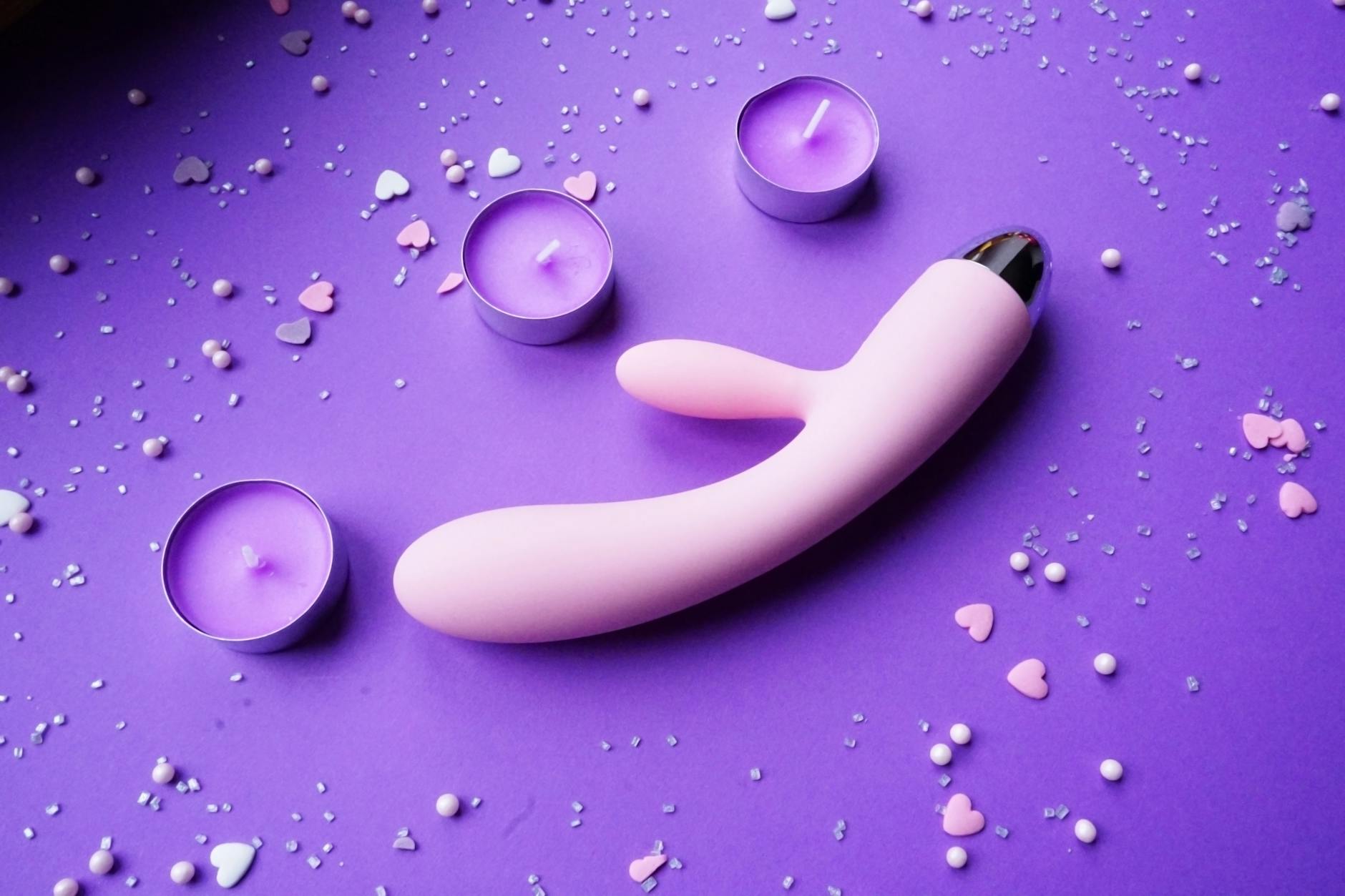
The problem with traditional vibrators and sensitive skin
Honestly, if you've got a sensitive vulva, most vibrators on the market feel like the opposite of pleasure. That buzzing sensation that works great for some people can feel overwhelming, too sharp, or even painful if your nerve endings are easily stimulated. The issue isn't you. It's the technology.
Traditional vibrators work by rapid back-and-forth or circular oscillation. That movement creates friction against delicate tissue, and for sensitive people, that friction becomes the dominant sensation instead of pleasure. You end up chasing a feeling that keeps slipping away, or worse, you feel numb and frustrated because the vibration is too intense to enjoy but too mild to actually work. Sound familiar.
How air-suction technology changes everything
Lemon vibrators use a completely different mechanism. Instead of vibrating, they use gentle air-suction pulses that create a sensation more like a soft, rhythmic kiss than a buzz. This distinction matters enormously for sensitive vulvas.
Here's what happens mechanically: when you place a lemon clitoral vibrator against your body, it creates a seal and draws the tissue gently upward in pulses. This stimulates the nerve endings through suction and gentle pressure, not friction. There's no grinding motion, no harsh vibration, just that rhythmic pulsation.
For sensitive skin, this is a game-changer because you're not dealing with direct mechanical friction against already reactive tissue. The stimulation feels more diffuse, less localized, and way gentler. You can actually enjoy the sensation building without it tipping into overstimulation.
Why sensitive vulvas respond to air-suction better
Your vulva has about 8,000 nerve endings in the clitoris alone, and they're not all the same. Some people's nerve endings sit closer to the surface and fire more easily. For those people, traditional vibrators essentially overload the system. It's like turning the volume up to eleven when you just want background music.
Air-suction technology engages those nerves differently. Instead of constant friction, you get rhythmic pulses that allow the nervous system to respond without getting overwhelmed. The sensation builds gradually, which means you can actually feel what's happening and guide yourself toward what feels good instead of just white-knuckling through intensity.
There's also a psychological piece. When you're worried that something might be too intense, you tense up. That tension makes everything feel sharper and less pleasurable. Because lemon vibrators feel inherently gentler, you can relax into the experience from the beginning. That relaxation alone often makes pleasure more accessible.
The pressure difference is crucial
Traditional vibrators require a certain amount of direct pressure and contact to work effectively. If you have sensitive skin, applying that kind of pressure can feel uncomfortable even before the vibration starts. You're essentially forcing your body to tolerate something that doesn't feel right just to access pleasure.
Lemon vibrators create their effect through suction, not pressure. You can use a feather-light touch and still get all the stimulation. In fact, gentler is often better. This means you're never forcing yourself into an uncomfortable position or applying pressure you don't actually want. You're working with your body's responses, not against them.
Many people with sensitive skin find that they can actually enjoy longer sessions with a lemon vibrator because there's less fatigue and irritation. A traditional vibrator on sensitive tissue can start to feel raw after 15 or 20 minutes. Lemon vibrators? People often use them for 30, 40 minutes without any discomfort.
Texture and material matter too
Lemon clitoral vibrators are typically made from silicone, which is smooth and doesn't create the same dragging sensation that harder plastics do. Combined with the air-suction technology, that smooth surface means less potential for irritation even during longer use.
If you've been using traditional vibrators made from harder materials, switching to a lemon vibrator will feel dramatically softer. Add in the gentler stimulation mechanism, and you're getting both a kinder device and a kinder sensation.
Building sensation without overwhelming it
One of the best things about lemon vibrators for sensitive people is that they come with multiple intensity levels. You can start at the lowest setting and actually feel the progression from subtle to more intense. With traditional vibrators, that low-to-medium jump often feels too big. With lemon technology, each level feels like a natural step up.
This matters because sensitive people often respond better to gradual buildup. You're not trying to find that perfect spot on a bucking bronco. You're easing into pleasure on your own timeline. That control is genuinely transformative for people who've written off vibrators as 'too much' or 'not for me'.
Real talk about refractory time
If you've struggled with sensitive skin and orgasms, you might have noticed that traditional vibrators either don't get you there or they do but leave you feeling overstimulated and unable to come again. That's because you've been triggering a defensive response in your nervous system. Too much too fast equals shut-down.
Because lemon vibrators create that gentler, more gradual buildup, your nervous system doesn't need to protect itself. Multiple orgasms become possible. Longer, more satisfying sessions become possible. You're not burning out your nerve endings; you're awakening them.
What about actual sensitivity conditions
If you have vulvodynia, lichen sclerosus, or any kind of diagnosed sensitivity condition, this matters even more. A lemon vibrator should still be used carefully and with proper lubrication, but the air-suction mechanism is inherently less irritating than traditional vibration. Many people with these conditions find that lemon vibrators are the only vibrators they can use without pain.
If you're dealing with a diagnosed condition, it's worth talking to your healthcare provider, but most will tell you that air-suction devices are a safer bet than traditional vibrators. The mechanism is just gentler on reactive tissue.
Lubrication works better too
With traditional vibrators, you often need more lubrication because the friction can dry out your tissue. With lemon vibrators, you still want lube (always), but you don't need as much, and the experience doesn't degrade as the lube breaks down. That means your session doesn't have to include a stop-and-reapply interruption.
Use a good water-based lube, and you'll find that lemon vibrators glide and pulse without the drag that makes sensitive skin feel raw.
The learning curve is real but short
Lemon vibrators feel different, and that takes about five minutes to adjust to. You're not applying pressure; you're creating a gentle seal. Once you get that, the learning curve basically ends. From there, it's just about experimenting with intensity levels and rhythm to find what makes your body light up.
For sensitive people who've struggled with traditional vibrators, those five minutes of adjustment are worth it. Because on the other side is often the first time you've actually enjoyed a vibrator without feeling overwhelmed.
Pairing with mindfulness for maximum benefit
Here's something that sensitive people benefit from: taking time to actually tune into sensation instead of chasing outcomes. A lemon vibrator encourages this naturally because the sensation is subtle enough that you have to pay attention to feel it building.
Light some candles, take some deep breaths, and let yourself notice exactly what's happening. That mindfulness piece transforms the whole experience and often unlocks pleasure that was hidden behind tension and anxiety.
Why you deserve better than settling
If you've been avoiding vibrators because you have sensitive skin, you've been told implicitly that pleasure devices aren't for you. That's backward. Sensitive skin is actually an invitation to find the right technology, not a reason to opt out. Lemon vibrators exist partly because sensitive people deserve pleasure that doesn't come with discomfort attached.
You're not too sensitive. You've just been using the wrong tool.
People also ask
Can I use a lemon vibrator if my vulva is super sensitive to touch?
Yes, absolutely. Start at the lowest intensity level and use plenty of water-based lubricant. A lemon clitoral vibrator creates stimulation through gentle suction rather than friction, which is much easier on reactive tissue. If even the lowest setting feels too intense at first, you can also experiment with using it over your underwear or holding it just slightly away from direct contact until you acclimate. Most people find they can enjoy it within a few sessions.
Do lemon vibrators cause irritation or rawness like traditional vibrators?
Much less likely. Because lemon vibrators don't rely on friction or rapid vibration, they're gentler on delicate tissue even during longer sessions. You might experience mild temporary sensitivity if you use one for an extended period, but it shouldn't feel raw or sore. If it does, you're probably using too much pressure or need more lubrication. Back off intensity and add more water-based lube.
Are lemon vibrators quieter than traditional vibrators?
Yes. They make a soft whispering sound rather than the buzzing or humming of traditional vibrators. If discretion matters to you, this is a bonus. You can enjoy pleasure without worrying about noise.
What's the best lube to use with a lemon vibrator if I have sensitive skin?
Water-based lubricants are your friend. Look for formulas without added fragrance or glycerin, as both can irritate sensitive vulvas. Coconut oil is a natural alternative if you want something plant-based, though it can degrade silicone toys over time if you're not rinsing immediately after use. With a water-based lube, you can use it generously without worrying about damage.
How long does it take to feel pleasure with a lemon vibrator if I'm used to traditional vibrators?
Most people adjust within 3-5 uses. Your nervous system has to recalibrate to a different type of stimulation. What feels subtle at first often becomes deeply satisfying once you tune in. Give yourself at least three sessions before deciding if it's working for you. Many people find that patience pays off with the most intense orgasms they've ever experienced.
Can I use a lemon vibrator if I'm on hormonal birth control or have hormonal sensitivity?
Yes. The gentleness of lemon vibrators makes them particularly good for people whose vulval sensitivity fluctuates with their cycle or hormone levels. You can adjust intensity based on where you are in your cycle. Some people find that a lemon vibrator is the only vibrator they can use comfortably during certain phases of their cycle, especially if they're dealing with heightened sensitivity due to hormonal shifts.
The bottom line
If you've written off vibrators because of sensitive skin, a lemon vibrator is genuinely worth trying. The mechanism is kinder, the intensity progression is more gradual, and your nervous system won't feel like it's being attacked. Start low, use plenty of lube, and give yourself permission to adjust. Your sensitive vulva isn't a limitation. It's just asking for the right tool.
Ready to explore? Check out how to use a lemon vibrator if you've never tried air suction toys to get started, or learn more about why lemon vibrators require less pressure than traditional toys. If you have questions about whether this is right for you, get in touch anytime.