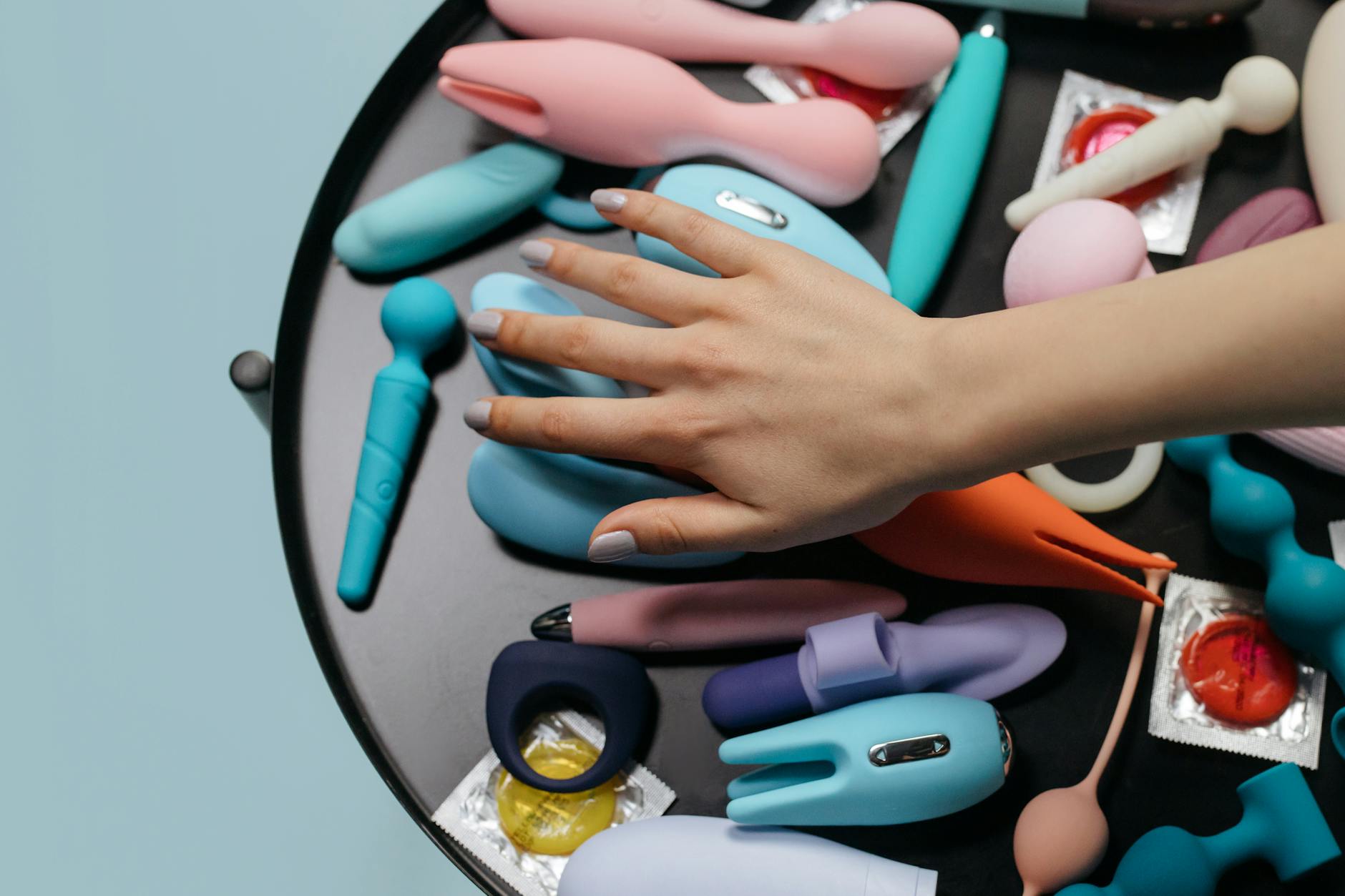
When sensation stops showing up
Reduced sensation is one of the loneliest things nobody talks about. Your body works, technically. But it feels distant. Like you're receiving pleasure through a thick pane of glass. You reach for your old vibrator hoping this time will be different, and it isn't. It buzzes the same way, and your nervous system yawns.
That's not a personal failure. It's a mismatch between how your nerves currently function and how the toy stimulates them.
Lemon clitoral vibrators work differently than standard vibrators because they use suction and gentle pulse patterns instead of direct vibration. This distinction matters when reduced sensation is the actual problem.
How reduced sensation happens in the first place
Numbing can come from a bunch of places. Medications (especially antidepressants and antihistamines). Hormonal shifts. Nerve conditions. Long-term stress that literally dampens your nervous system's ability to register pleasure. Autoimmune stuff. Age. Years of using the same toy at the same intensity.
What all of these have in common is that they reduce signal flow between your clitoris and your brain. Your clitoris has thousands of nerve endings, but if those nerves aren't firing properly, even intense vibration can feel like nothing.
Here's the part that changes everything: lemon suction toys don't ask your nerves to respond to vibration. They activate them through a completely different mechanism.
Why suction wakes up nerves that vibration doesn't
When you use a traditional vibrator, you're asking your nerves to detect rhythmic movement. That requires a certain baseline of nerve sensitivity. If your nerves are tired, medicated, or hormonally depleted, they might not register the signal at all.
Suction works on pressure and release. The Lem, for example, creates a gentle seal and pulses that pressure rather than vibrating against the tissue. This activates different nerve pathways. Your clitoris has both touch-sensitive nerves and pressure-sensitive nerves. When vibration isn't landing, pressure often is.
Think of it like this. If someone taps your shoulder and you don't feel it, they don't usually try tapping harder in the same spot. They try a different kind of touch. That's what's happening here.
The difference between vibration, suction, and sensation return
Vibration relies on very fast, shallow movement. It works beautifully for people with normal sensation. But for reduced sensation, you need something that creates sustained pressure change. That's suction.
Suction also creates what's called "sustained arousal." Instead of a burst of stimulation, you get a rhythm that your nervous system can build on. Many people with reduced sensation report that lemon suction toys feel cumulative. The first 30 seconds might feel like nothing. But at minute two, something shifts. Your nerves wake up.
This is why people who've tried dozens of vibrators suddenly have success with a lemon clitoral vibrator. It's not that your body is broken. It's that you needed a different language to talk to your nervous system.
Medication-related numbness and why suction helps more
If you're on an SSRI, an antihistamine, or certain blood pressure medications, your neurotransmitters are already dampened. Vibration requires quick neural firing. Suction requires sustained pressure recognition, which uses different nervous system pathways.
People often tell me they thought their medication meant goodbye to pleasure. It doesn't. It means your body is asking for a different tool. A lemon vibrator isn't a workaround. It's the right match for your current nervous system state.
Many people find they can eventually return to other toys as their body adjusts to medication, but during the adjustment window (which can be months), lemon suction toys are often the only thing that registers.
The intensity myth about reduced sensation
Here's what doesn't work: buying a more powerful vibrator. Your instinct might be to go harder, faster, stronger. That's like turning up the volume when someone can't hear you. It doesn't fix the problem.
Lem vibrators start with gentler patterns on lower settings specifically for this reason. The idea is to let your nervous system recognize the sensation first, then gradually build intensity if you want to. Many people find they don't actually want to go harder. They just want to feel something real. Once you do, lower intensity often feels better than you'd expect.
Warm-up time gets longer, and that's okay
With reduced sensation, foreplay isn't optional. It's essential. Your body needs time to register what's happening. Budget 10 to 20 minutes of touching, breathing, and gentleness before you even bring the lemon suction toy in.
Some people find that the anticipation itself helps. Knowing you're about to use a tool designed for your current body state can shift your mental state, which is half the battle with reduced sensation.
Building sensation back takes patience
Your nervous system is trainable. When you use a lemon suction toy regularly (even just once or twice a week), your clitoris starts responding more quickly. You're not rewiring your brain. You're reminding your nervous system that pleasure is possible.
Many people report that after four to six weeks of regular use, sensation starts returning. Not fully, maybe. But noticeably. And then other toys suddenly work again too. The Lem becomes the gateway tool that reminds your body what arousal feels like.
When to combine approaches
If you're using a lemon clitoral vibrator and still feeling stuck, consider: Are you stressed? Is your sleep actually good? Are you hydrated? Reduced sensation doesn't live only in your genitals. It's a whole-body nervous system thing. Your clitoris can't wake up if your entire system is in survival mode.
Some people also find that a lemon suction toy works best when paired with partner touch or mental focus techniques. You're not just stimulating your clitoris. You're re-engaging your brain's pleasure circuitry.
The lemon advantage over other suction toys
Not all suction toys are created equal. The Lem was designed with reduced sensation specifically in mind. It has multiple intensity levels that start genuinely gentle, and the suction pattern is calibrated to activate sensation without overwhelming it.
Some suction toys work great for people with normal sensation but are actually too intense for someone with numbness because they create aggressive pressure. The Lem's pattern is gentler by design, which means it matches where your nervous system actually is right now.
The mental shift that happens
Here's what I see most often: someone tries a lemon clitoral vibrator skeptically. They've tried everything. But something clicks. Maybe not on the first try, but within a few uses. And then they cry. Not sad tears. Relief tears. Because their body works. It just needed a different approach.
That mental shift matters. Once you feel sensation return, your relationship with pleasure changes. You trust your body again. You stop assuming numbness is permanent.
Your pleasure matters. And your current nervous system state doesn't define what you're capable of experiencing.
FAQ
Why doesn't a regular vibrator work when my sensation is reduced?
Traditional vibrators rely on your nerves detecting rapid movement. If your nerves are numb (from medication, stress, or hormonal changes), they won't register that signal. Suction toys like the Lem activate different nerve pathways based on pressure change instead of vibration, which often works when standard toys don't.
How long does it take to feel something with a lemon suction toy?
Some people feel it immediately. Many need three to five sessions before their nervous system recognizes the sensation. This is normal. Your body is re-learning. By week two or three, most people report noticeable response.
Can I use a lemon vibrator if I'm on antidepressants?
Yes. Many people taking SSRIs or other medications that reduce sensation find that lemon suction toys are the only tool that works during the adjustment period. Suction activates different nervous pathways than vibration does, which is why it can feel effective when standard vibrators feel like nothing.
Will using a lemon clitoral vibrator eventually let me use other toys again?
Often, yes. Once your nervous system remembers what pleasure feels like, other forms of stimulation often become accessible again too. The Lem acts as a bridge that reconnects you to sensation, not a permanent replacement.
What's the difference between a lemon vibrator and other clitoral toys?
Lemon suction toys use pulsing suction instead of vibration, and they're designed with gentler intensity levels that work for reduced sensation. Other clitoral toys typically use vibration, which requires higher baseline nerve sensitivity to register.
Is reduced sensation after medication permanent?
Not always. As your body adjusts (which can take weeks to months), sensation often returns. But during adjustment, a lemon suction toy bridges the gap by using stimulation methods your current nervous system recognizes. Talk to your doctor if numbness persists beyond the adjustment window.
What comes next
Reduced sensation is real. But it's not the end of your pleasure. It's often a signal that you need a different tool, not that something is broken. A lemon vibrator isn't a last resort. For many people, it's the first tool that actually works. The rest follows from there.
If you're curious about whether a lemon clitoral vibrator might work for you, reach out. We can talk through your specific situation and help you find what might actually land.