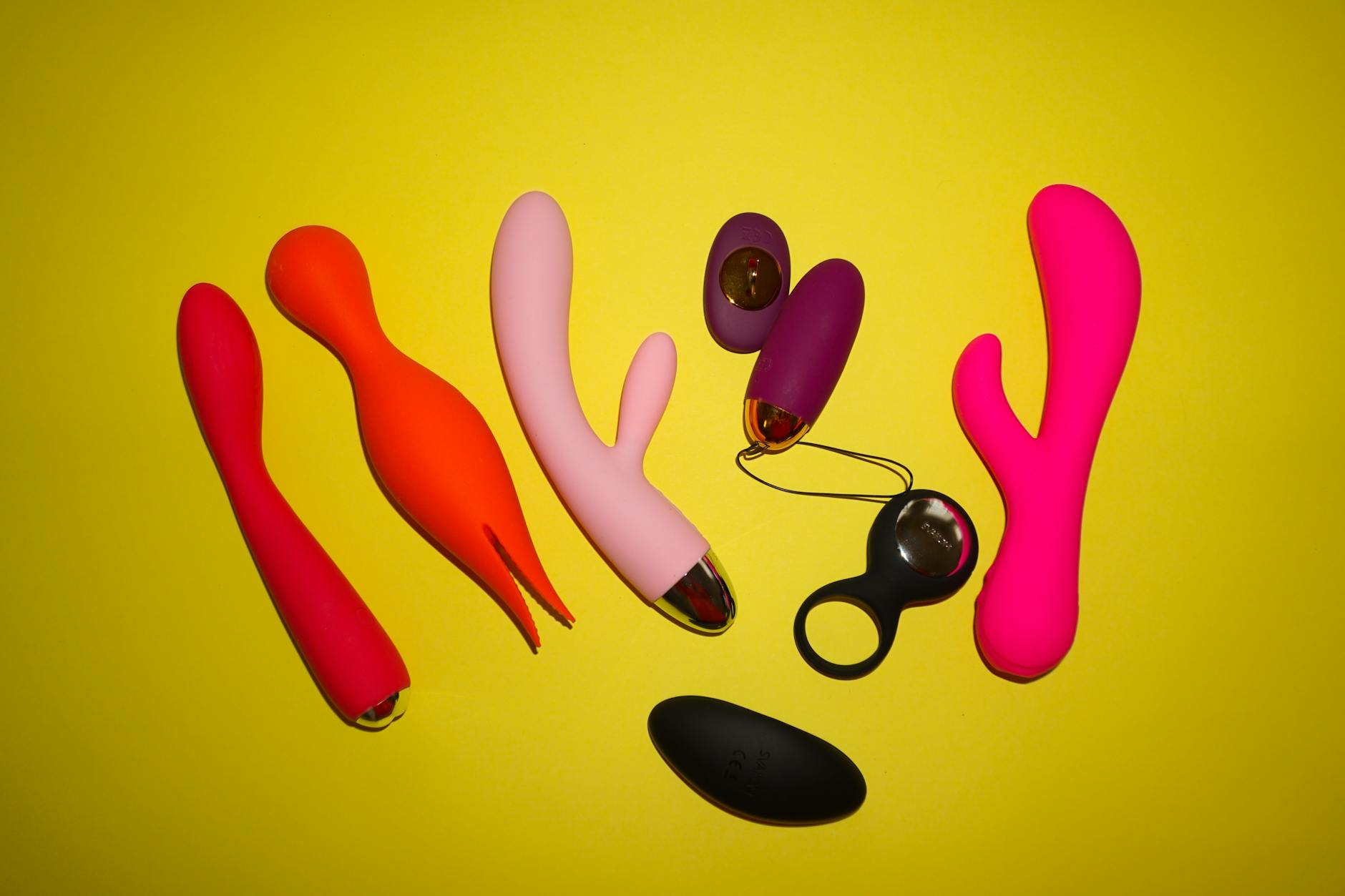
The thing no one tells you about SSRIs
Antidepressants work. They pull you out of the fog, steady your nervous system, let you think straight again. But somewhere around week two or three on a new SSRI, something else happens. Your body stops sending the right signals down there. Not because you don't want sex. Not because you've stopped loving your partner. Because selective serotonin reuptake inhibitors literally rewire how your genitals respond to stimulation.
I've worked with hundreds of people navigating this exact thing. The frustration is real. And here's what I've learned: lemon vibrators work differently than other toys when you're on SSRIs, because they target sensation in a way that bypasses the neurological muting that antidepressants create.
What SSRIs actually do to your pleasure response
Let's talk physiology first. Serotonin is involved in arousal, genital blood flow, and orgasm. When you increase serotonin reuptake (meaning you're keeping more serotonin in the synapse), you're also dampening the dopamine and norepinephrine signals that kick arousal into gear. It's not a side effect. It's literally how the drug works.
Here's what that means in your body: your clitoris gets less blood flow. The nerve endings that normally fire up when touched feel muted, like they're under a blanket. The window between "I'm aroused" and "I can orgasm" stretches from minutes to sometimes never. Your partner could do everything right and your body just won't cooperate.
Three additional layers make it worse:
Delayed ejaculation and anorgasmia. The neurotransmitter serotonin directly inhibits orgasm. Higher serotonin = harder to come. This is so common on SSRIs that it's listed as the most frequent sexual side effect in clinical literature.
Genital numbness. Not metaphorical. Actual reduced sensation in the vulva, penis, or scrotum. This happens in about 40% of people on SSRIs long-term.
Desire collapse. Dopamine drives sexual motivation. SSRIs don't directly lower dopamine, but the serotonin increase can dampen dopamine's effect in the reward center. You literally care less about sex, even if you logically want to want it.
Why lemon vibrators work when the numbness kicks in
Here's where it gets interesting. Most vibrators use direct vibration. They buzz against your skin and hope the stimulation is intense enough to cut through the numbness. Sometimes it works. Often it doesn't, because you're fighting against a neurological muting.
Lemon clitoral vibrators use suction. This is a different stimulus entirely.
Instead of vibration, suction creates a vacuum seal around the clitoris. This doesn't just stimulate the nerve endings on the surface. It pulls blood into the tissue and engages deeper nerve clusters. When you're on an SSRI and surface sensation is muted, suction can actually work around that neurological blanket by accessing sensation at a different depth.
I've heard from so many people: "Nothing worked until I tried a lemon vibrator." That's not coincidence. The suction mechanism bypasses the exact pathway that SSRIs are dampening.
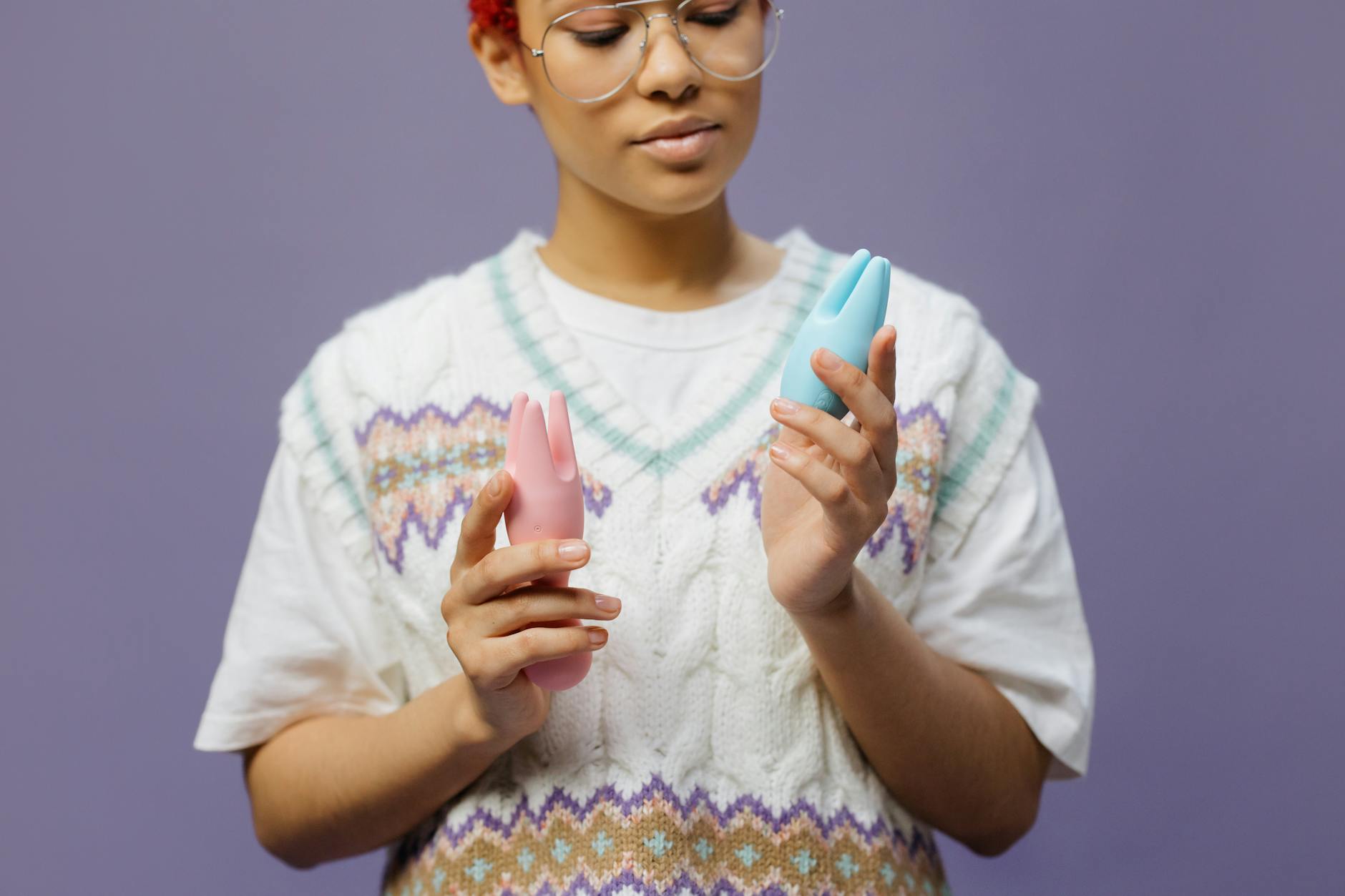
Photo by cottonbro studio on Pexels
The specific settings that matter when you're on medication
If you're using a lemon vibrator on an SSRI, intensity and pattern are everything. Your body isn't broken. It's just recalibrated.
Start at pattern 1 or 2. Not because you're gentle, but because you're testing what your current baseline sensation is. Patterns 1-3 on most lemon vibrators use slower, steadier suction rhythms. This gives your nervous system time to register sensation without overwhelming it.
Many people on SSRIs skip the warm-up. Don't. Give yourself 15-20 minutes of mental preparation and light touch before you use a lemon vibrator. Your brain is a major sexual organ, and antidepressants have made it harder for your brain to send arousal signals downward. You need that prep time.
The patterns in the higher range (typically 5-7 on a lemon sucker) use faster, pulsing rhythms. These can work once your body has warmed up, but they often overstimulate numbness rather than engaging it. Slower, steadier suction tends to create more sustained sensation.
The conversation with your doctor you haven't had yet
Here's what most people don't know: your doctor might be able to help, and it doesn't mean stopping medication. Three options exist.
Timing adjustment. If you take your SSRI in the morning, ask your prescriber about taking it at night instead. Plasma levels are slightly lower in early morning hours. Some people report better sexual function timing intimacy accordingly.
Dose reduction. Not everyone needs the dose they started on. If sexual function has returned to intolerable levels and you've been stable for six months or longer, ask about trial dose reductions. This is conversation, not automatic.
Adjunctive medication. Buproprion (Wellbutrin) increases dopamine and is sometimes added to SSRIs specifically to counteract sexual side effects. Buspar, an anti-anxiety medication, has also shown promise in clinical studies.
None of these will be offered if you don't mention the problem. Doctors assume if you don't bring it up, it's not an issue.
The mental piece is heavier than the physical piece
Here's what I see most often in my practice: the neurological numbness is real and frustrating. But the psychological weight of it is actually heavier.
You're on medication because you needed it. You might need it long-term. And now that medication is affecting a part of your life that matters to you. That creates a loop. You feel broken. You feel guilty for feeling broken. Your partner feels rejected. You feel guilty about that too. And the guilt tanks arousal further, which makes the medication's effect feel worse.
Breaking that loop matters more than any single strategy. Which means:
Tell your partner what's happening. Not "I don't want to have sex." Say "My medication is making sensation harder, and I'm using X tool to work around it." This reframes the issue from rejection to problem-solving.
Stop expecting spontaneous desire. People on SSRIs usually need to schedule or intentionally create the conditions for sex. That's not romantic. It's also not a reason to skip it. Intention beats spontaneity when neurotransmitters are involved.
Separate pleasure from orgasm temporarily. This sounds counterintuitive, but if you stop chasing orgasm and just practice sensation, your body often cooperates faster.
When to escalate beyond lemon vibrators
Lemon vibrators work for a lot of people. But not everyone. If you've been using one consistently for four weeks and sensation hasn't shifted, other things might be at play.
First, check your SSRI timing. SSRIs take 6-8 weeks to reach full effect. If you're in the first three months on a medication, sexual side effects usually improve slightly as your body adapts.
Second, consider other medications you're taking. Antihistamines, blood pressure medication, and hormone treatments can layer on top of SSRI effects and make sensation even harder.
Third, talk to a sex therapist or doctor who specializes in medication side effects. Topical creams, testosterone, and other pharmacological interventions exist. You deserve to explore them without shame.
FAQ: Antidepressants, lemon vibrators, and pleasure
Will my sexual function come back if I stop my antidepressant?
Usually, yes. Sexual side effects from SSRIs reverse within weeks to months of discontinuation. But stopping antidepressants because of sexual side effects is rarely the right call. Depression also tanks sexual function. The goal is finding a medication or combination that keeps you mentally well without destroying your sex life. That's a conversation with your prescriber.
Can I use lemon vibrators while on any antidepressant?
Yes. Lemon clitoral vibrators work across all SSRI classes (sertraline, paroxetine, fluoxetine, citalopram) and with other antidepressant types too. The suction mechanism is independent of which neurotransmitter you're modifying. That said, if you're on a tricyclic antidepressant or MAOI (older classes), sexual side effects are usually lower, so standard vibrators might work fine.
How long does it take to feel improvement with a lemon vibrator?
Usually 1-3 weeks of consistent use (3-4 times per week). But this assumes your nervous system can register the stimulus. If you're in acute anhedonia, give it four weeks. Your nervous system needs time to retrain itself.
Can I combine lemon vibrators with other strategies?
Absolutely. Lemon vibrators work best alongside: more foreplay, medication timing shifts, stress reduction, improved sleep, and honest partner communication. Sexual function is complex. Stacking strategies wins over single interventions.
Is it normal to feel nothing the first time I use a lemon vibrator on SSRIs?
Completely normal. Your nervous system is muted. The first session is often just information gathering. You're testing what patterns feel different, what settings create sensation, where pressure helps. Pleasure comes later. Data comes first.
Should I tell my partner I'm using a lemon vibrator because of medication side effects?
Yes. Framing matters. "My medication is affecting sensation and I'm using a tool to work around it" is honest and collaborative. "I need this to get off" can feel like criticism. "We're solving a medication side effect together" creates alliance instead of distance.
Reclaiming pleasure isn't optional
You deserve medication that works for your mental health and sexual function. If your current setup isn't serving both, that's not a trade-off you have to accept. Lemon vibrators are one tool. Dose adjustments, timing shifts, and honest conversations with your doctor are others.
Your pleasure matters. Your mental health matters. And you don't have to choose between them. Start with how to choose a lemon vibrator if you're new to suction toys, or explore how to use lemon vibrators with your partner if you want to rebuild intimacy together.
If this feels bigger than a toy can solve, reach out. We're here to help.