The thing nobody warns you about
You used to feel everything. Then one day you didn't. The lemon vibrator that made you come in four minutes now takes twenty, or doesn't work at all. You're not broken. Your nerve endings have just gotten used to the signal.
Desensitization from repeated vibrator use is real, common, and totally reversible. But the fix isn't what most people think.
What's actually happening to your nerves
Your clitoris has around 8,000 nerve endings packed into an incredibly small space. They're designed to detect variation and change. When you use the same lemon vibrator at the same pattern and intensity repeatedly, your nervous system essentially learns to tune it out. It's the same reason you stop noticing background noise in your apartment.
This isn't a sign of damage. It's sensory adaptation, and it's a feature of how human nerve systems work. But it feels like loss, so you panic and buy another toy.
Here's what I see happen: someone switches to a higher-intensity toy, feels sensation again briefly, then the cycle repeats. Six months later they're using maximum intensity on multiple devices and still not feeling much. That's when people start thinking something's wrong with their body.
It's not. It's just overload.
Why lemon vibrators and suction-based toys are different
Most vibrators work through direct mechanical vibration. You feel it, your nerves adapt to it, you need more of it. Lemon clitoral vibrators use suction and pulsing air pressure instead. The sensation is qualitatively different, which means it can sometimes reset a desensitized response.
But here's the catch: if you use a lemon suction vibrator at maximum intensity every single time, or multiple times a day, you'll desensitize to that too. The mechanism doesn't matter. Overexposure equals adaptation.
Four patterns I see that lead straight to desensitization
1. Using the same toy at the same settings daily. Variation matters. If you only ever use pattern 5 on your lemon sexual toy, your body learns to expect and ignore pattern 5.
2. Using multiple toys in one session. Stacking vibrators trains your nervous system to need more and more stimulation to register the signal. It's like constantly turning up the volume instead of listening harder.
3. Using for longer than 20-25 minutes without a break. After about 20 minutes, most people hit a ceiling where continued stimulation produces diminishing returns. Pushing past that teaches your body to need marathon sessions.
4. Ignoring early warning signs. When you notice you need longer warm-up time or higher intensity, that's the moment to change something. Don't wait until nothing works.
The counterintuitive fix: less, not more
I recommend stepping back entirely for 5-7 days. No lemon vibrators. No other vibrators. Nothing. Your nerve endings will reset their baseline sensitivity, and patterns that felt muted will suddenly feel vivid again.
I know that sounds like punishment. It's not. It's more like rebooting your phone when the operating system gets sluggish.

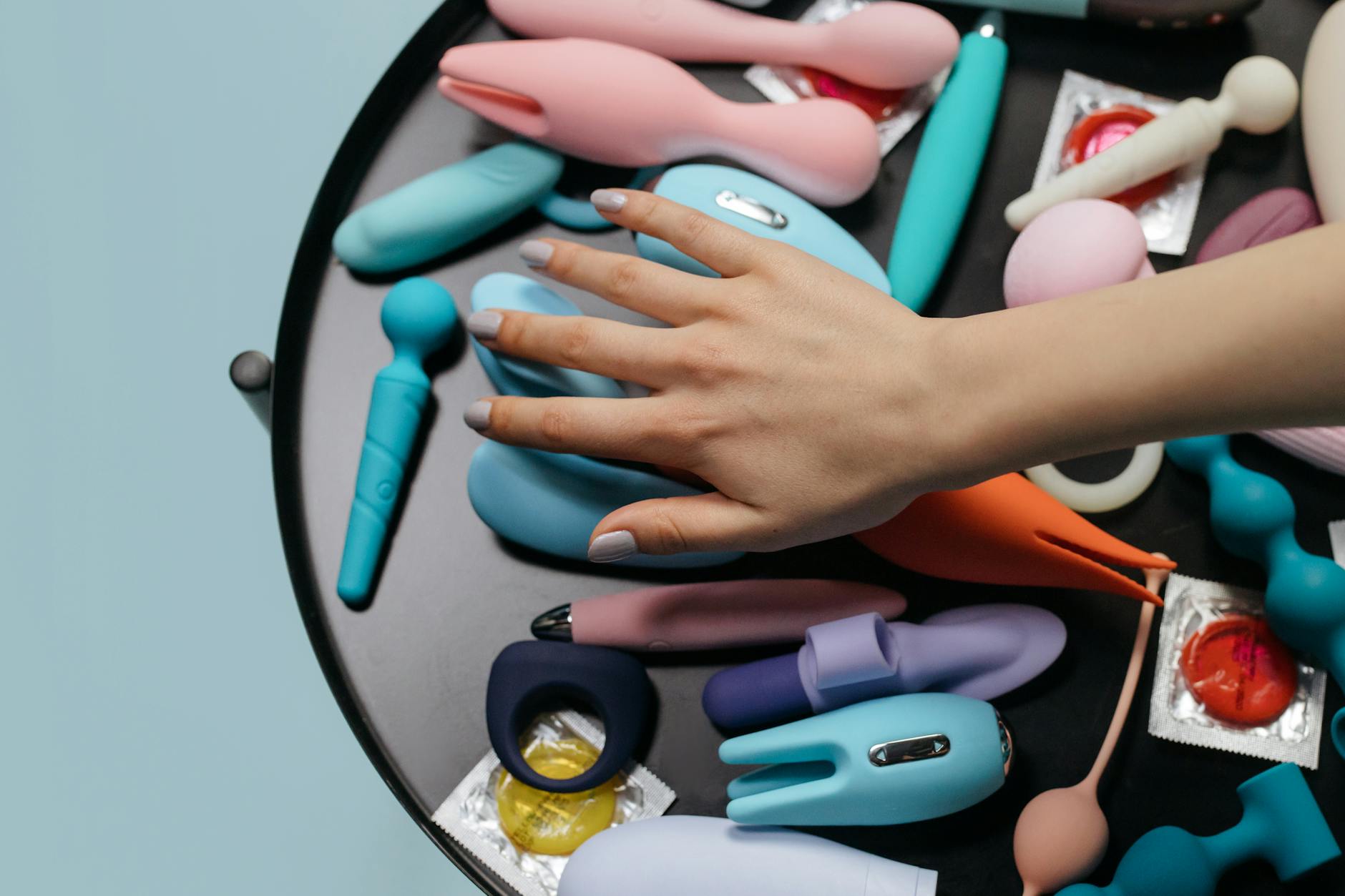
Photo by Vanessa Loring on Pexels
After that break, when you return to your lemon clitoral vibrator, start on the lowest setting. Let yourself feel that. Don't chase intensity. If it takes 15 minutes to come instead of five, that's fine. You're literally retraining your nervous system to pay attention again.
How to use your lem vibrator smarter after a reset
Once sensitivity returns (usually within 3-5 days of restarting), keep desensitization from happening again. Three strategies:
Rotate patterns and intensity. If you usually use pattern 3, try pattern 1 or 4. If you normally use medium intensity, mix in light and strong. Your nervous system stays engaged because it never knows exactly what to expect.
Limit sessions to 20 minutes. You don't need longer. If you're not close to orgasm by 20 minutes, that's information. Stop, do something else, try again later. Forcing it just teaches your body to need marathon sessions.
Take a break every 7-10 days. A full day off resets baseline sensitivity without losing it completely. Think of it as maintenance instead of damage control.
When it's not desensitization
Sometimes what feels like desensitization is actually something else entirely. Here's how to tell the difference.
If sensation disappeared suddenly (over a day or two), not gradually, talk to a doctor. That can signal nerve issues unrelated to vibrator use. If you're on antidepressants or other medications that affect sexual response, desensitization might actually be a side effect of the medication, not the toy. That's a different conversation with a provider.
If you're over 50 and noticing reduced sensation across the board, including with partners and without any toy, that might be estrogen-related tissue changes, not desensitization. That one usually needs topical treatment.
Desensitization specifically feels like a gradual "turning down" of response to your usual toy, not a total loss of sensation everywhere.
What happens if you ignore it
Let's be real about the stakes. If you keep chasing intensity with stronger and stronger toys and longer sessions, a few things can happen.
One, genuine numbness can develop from repeated overstimulation. Your nerve endings can become fatigued enough that sensitivity takes weeks to return instead of days.
Two, you start associating pleasure with intensity and duration, which makes it harder to enjoy gentler stimulation or partnered sex. Your baseline gets reset upward permanently.
Three, sex stops being pleasurable and starts feeling like work. You're not having fun anymore. You're chasing a sensation that's always just out of reach.
None of that has to happen if you catch it early.
The psychological piece
Desensitization also messes with your head. You start believing something's wrong with you. You feel broken. You shame-spiral into thinking you've damaged yourself somehow. That shame then makes it harder to talk to a partner about what's going on, so you just silently stop initiating sex.
I want to be clear: using lemon vibrators or any clitoral vibrator frequently is not damaging you. Full stop. Desensitization is a normal nervous system response, not a sign of harm.
The reset is simple. The shame is optional. Drop it.
What your lemon sucker can't fix (but rest can)
Some people come to me expecting their favorite toy to solve desensitization. Like if they buy the right tool, it'll be different this time. It won't be. The issue isn't the toy. It's the pattern. You can use the fanciest lemon clitoral vibrator ever made, but if you use it at max intensity twice a day every single day, you'll desensitize to that too.
Rest is the only real reset button.
FAQ: Desensitization and lemon vibrators
How long does it take to recover sensation after desensitization?
Most people feel significant improvement within 3-5 days of stepping back entirely. Full reset usually takes 7-10 days. If it's been two weeks and nothing's changed, that's when I'd check in with a doctor to rule out nerve issues or medication side effects.
Can I use lemon vibrators if I'm already desensitized?
Absolutely, but not the way you've been using them. Start at the lowest setting. Use for 15 minutes max. Rotate patterns. Treat the next week or two as a reset period where you're gently reintroducing sensation, not chasing orgasm.
Is desensitization the same as numbness?
Not quite. Desensitization means you can still feel sensation, but you need more stimulation than before. Numbness means you can't feel much of anything. They feel similar but they're different. Desensitization is a response pattern. Numbness is usually medical.
Do I have to stop using my lemon sexual toy completely?
For maximum reset, yes, for 5-7 days. After that, you can use it again, but smarter. Lower intensity, shorter sessions, varied patterns, regular breaks.
What if I take a break and sensation doesn't come back?
If a full week off doesn't restore at least some of your baseline sensitivity, something else might be going on. Medication side effects, hormonal changes, nerve issues. Time to talk to a doctor.
Can desensitization happen with partners too?
Yes. Some people find they don't respond the same way to partnered touch after heavy vibrator use, especially if they're using toys at intensities far higher than a partner could provide. This is why rotation and lower intensity matter long term.
The real conversation
Your lemon vibrator is a tool. Like any tool used constantly without variation, it can become invisible to the system it's working on. That's not a failure. It's a signal to change something. Take the break. Reset. Come back gentler. Your nerve endings will thank you, and so will your pleasure.
If you have questions about how to get back on track or want to talk through what's happening, reach out. We're here for this.