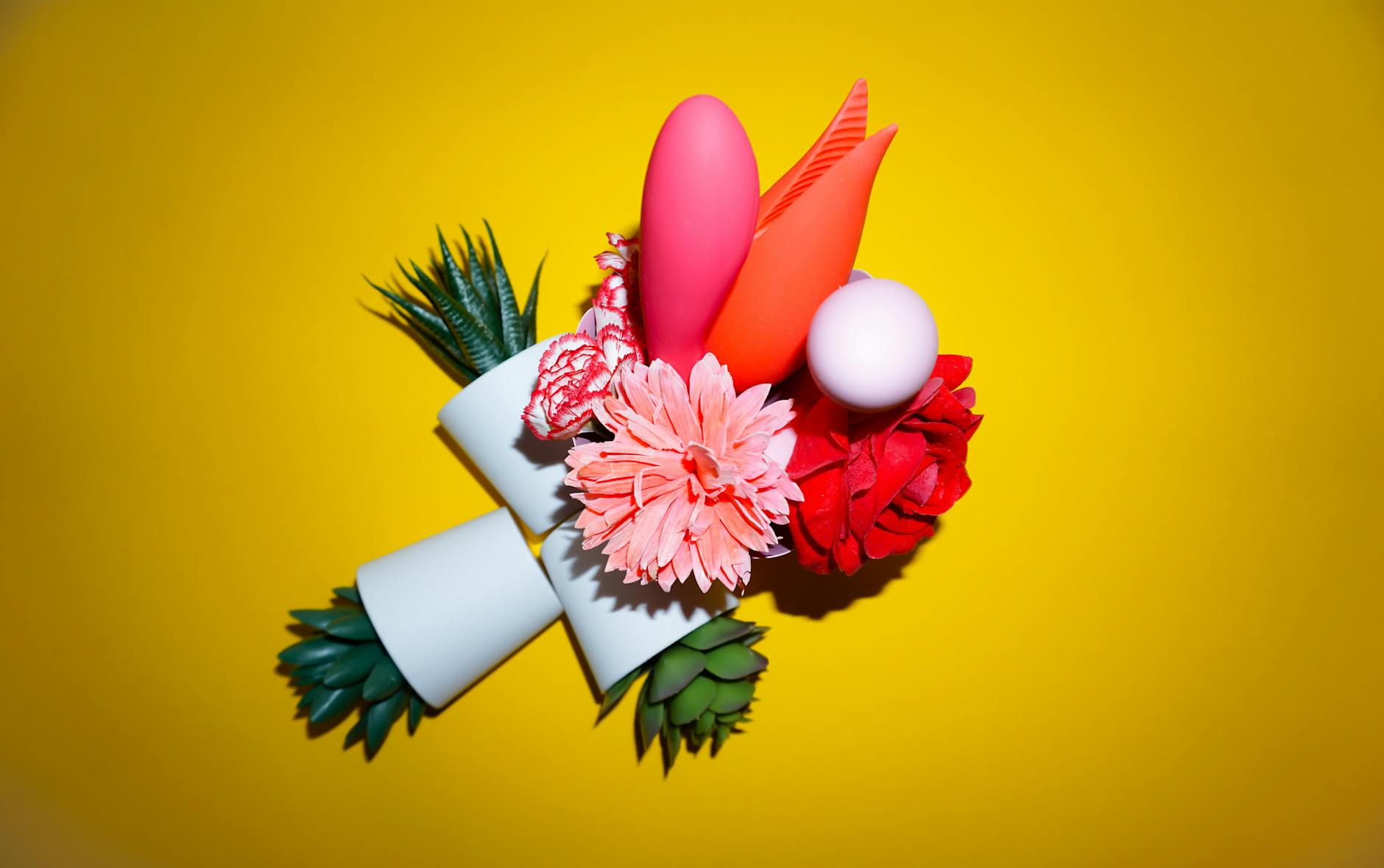
When pain replaces pleasure
Let's be real. Painful sex doesn't just hurt in the moment. It rewires what your body expects from touch. After even one or two painful experiences, your nervous system starts treating the entire pelvic area like a threat zone. Arousal becomes harder. Relaxation feels impossible. You might find yourself avoiding sex altogether, or worse, pushing through it anyway and deepening the pain response.
Here's what most people don't know: solo pleasure with the right tool is one of the fastest ways to break that pain loop and teach your body that sensation can mean safety again.
Why lemon vibrators work differently for pain recovery
Traditional vibrators apply vibration directly to tissue, which can feel overwhelming or even trigger tensing when you're already hypervigilant about pain. Lemon clitoral vibrators, including the air-suction design, work through gentle suction and rhythmic pulsing instead. This matters because it stimulates nerves without the blunt force that can feel too intense on compromised or sensitive tissue.
When you've experienced painful sex, your pelvic floor tightens as a protective response. This tension actually makes pain worse when intercourse returns. Lemon vibrators are gentler on this exact problem because they don't require deep penetration or rough friction. They work on the clitoris, which has its own nerve pathway entirely separate from vaginal penetration.
That separation is crucial for rebuilding. You're teaching your body that pleasure and pain are not the same thing. You're proving it to your nervous system one session at a time.
The first week: just presence, no pressure
If you're coming off recent painful sex, don't jump into using a lemon vibrator yet. Spend the first few days just touching the device. Hold it. Look at it. Keep it near you during moments when you feel safe. This sounds almost silly, but familiarization matters when your body is in protective mode.
When you're ready to begin, start in a space where you feel completely alone and completely safe. Not rushed. Not listening for footsteps. Silence or soft music, whatever helps you relax. Warm water, comfort clothes you can remove easily. Give yourself twenty minutes with zero expectations.
Turn on the lowest setting of the lemon vibrator. Don't go near your genitals. Run it on your arm, your inner elbow, your collarbone. Feel the sensation. Let your nervous system register that this tool brings sensation that feels okay. This is not foreplay. This is rewiring.
Repeat for two to three days if you need to. There's no rush.
Week two: gentle exploration without the goal
Once the device itself feels neutral or slightly pleasant, you can bring it closer to the vulva. External only. No penetration, no pressure to become aroused. Sit in a comfortable position, maybe propped against pillows. Start on the lowest pattern.
Here's the key difference from normal solo play: don't try to orgasm. Seriously. This is the one moment where letting go of the goal actually helps. Your body is learning that touch can be pleasurable without leading somewhere painful. That's the message you're sending.
Use the lemon vibrator on the outer vulva, the mons pubis, the inner thighs. Let yourself notice what feels genuinely good versus what feels like you think it should feel good. These are different things. Pain teaches us to override our actual preferences.
Start with five to ten minutes. If at any point it feels wrong, stop immediately. You're not failing. You're listening. That's the whole point.
When to involve medical help
If pain was caused by vulvodynia, vaginismus, or endometriosis, a pelvic floor physical therapist should be part of your recovery alongside pleasure work. These are real conditions that often require real intervention. A lemon vibrator is a tool for sensation rehabilitation, not a cure for underlying tissue damage.
If you were hurt during sex, emotionally or physically, talk to someone you trust before diving into solo play. Sometimes pain isn't just physical. And sometimes it takes processing the story around the pain before your body can move past it.
Week three and beyond: building your rhythm
As you move into the third week, you can increase intensity slightly if you want to. Not because you have to, but because your body might be ready. Try different patterns on the lemon vibrator. Notice which rhythms feel genuinely pleasurable versus which ones feel like stimulation for its own sake.
This is where how lemon vibrators work with your vulva anatomy becomes genuinely useful. Different areas of the vulva have different nerve density. The clitoris itself has about eight thousand nerve endings clustered in a small space. Explore which parts of your clitoris respond to suction versus which parts prefer gentler contact.
You might also notice that pleasure feels different now than it did before the painful experience. That's normal. Your body has new information. That information doesn't disappear just because the pain is gone.
The partner conversation
If you're in a relationship, your partner will eventually be part of pleasure again. But not yet. Let yourself have this time solo first. Let your nervous system fully reset before you bring another person into the equation.
When you do feel ready, the conversation matters. Tell your partner that you're rebuilding sensation and confidence at your own pace. That might mean penetration is off the table for a while. That might mean bringing a lemon clitoral vibrator into partnered sex as a way to reclaim pleasure together. That might mean starting with touch that doesn't go near the genital area at all.
Your partner doesn't have to understand the neurological details. They just need to understand that pain changed something, and you're changing it back. That takes patience and presence, not performance.
The role of self-compassion
Rebounding from painful sex is not a linear process. Some days the lemon vibrator will feel incredible. Other days it might trigger old anxiety. Both days are fine. Both days are part of rebuilding.
You're not broken. Your body isn't broken. Your nervous system did exactly what it was supposed to do when something hurt. It protected you. Now you're teaching it that there's also space for pleasure. That takes time. Be as kind to yourself as you'd be to someone you love going through the same thing.
FAQ
Can I use a lemon vibrator if I'm still experiencing pain with penetration?
Yes, absolutely. External clitoral stimulation doesn't involve penetration, so it bypasses the area where pain usually lives. This is actually why lemon clitoral vibrators are so effective for pain recovery. You're building pleasure confidence in a separate nervous system pathway than the one that's causing pain.
How long does it take before painful sex stops feeling triggering?
That depends on how recent the pain was and how much processing you've done emotionally. Some people feel significant relief within two to three weeks of regular solo play. Others need two to three months. Neither timeline is wrong. Your nervous system will let you know when it's ready to move forward.
Should I tell my doctor I'm using a lemon vibrator for pain recovery?
If the pain was caused by a diagnosed condition like vaginismus or vulvodynia, yes. Your doctor or pelvic floor therapist should know what tools you're using. They can help you understand whether a lemon vibrator is genuinely helping or potentially interfering with other treatment you're doing.
What if the lemon vibrator makes the anxiety worse instead of better?
Stop using it for now. Some nervous systems need a different pace or a different approach. That's not failure. Talk to a therapist who specializes in sexual health. Sometimes the path back to pleasure involves breathing work or trauma processing before toys enter the picture at all.
Can painful sex permanently change my capacity for pleasure?
No. Pain changes the neural pathway around sex, but it doesn't destroy your capacity for pleasure. It's more like a rerouted road. You're learning a new map, not discovering that the destination doesn't exist. Your body can absolutely relearn that touch means joy.
How do I know when I'm ready to try penetration again?
You'll know because the idea won't trigger panic. You might feel nervous, which is normal. But there's a difference between healthy nervousness and body-level fear. When the fear is mostly gone and curiosity is starting to come back, that's readiness. Talk to your partner and maybe a therapist. Don't push the timeline.
Your pleasure belongs to you
Pain changes your relationship with touch. It doesn't erase it. Lemon vibrators and intentional solo play are a way of reclaiming what was disrupted. You're not trying to forget what happened. You're building new experiences that prove sensation can mean safety again.
Take your time. Trust your body. And know that people come back from this all the time. Your pleasure is waiting. You just needed the right tools and the right pace to find it again.