
Why Lemon Clitoral Vibrators Work Better Than Other Toys for Vulvas With Reduced Blood Flow
Honestly, if you've been frustrated lately feeling like vibrators aren't working the way they used to, you're not imagining it. Your clitoris runs on blood flow. When circulation changes, traditional vibration alone sometimes isn't enough.
That's where suction-based lemon vibrators come in. They work on a completely different principle, one that bypasses some of the friction that heavier vibration demands. Let me walk you through why.
What actually happens to blood flow
Your clitoris is packed with blood vessels. During arousal, blood rushes into those vessels, making the tissue swell and increasing sensitivity. This engorgement is what makes pleasure possible. It's not metaphorical. It's hydraulics.
But blood flow can decrease for a bunch of reasons. Aging, cardiovascular changes, certain medications, hormonal shifts, stress, or even just sitting for hours a day all contribute. When blood flow drops, that engorgement happens slower or less intensely. The tissue doesn't swell as dramatically. Which means vibration alone might feel dull or distant, because there's less tissue responsiveness to work with.
This is where most people reach for a stronger vibrator, thinking "more power equals more sensation." That's the trap. More power often just means more aggressive friction, which can actually feel numbing rather than building pleasure.
Why traditional vibration stops working
Traditional vibrators rely on oscillation. The motor moves back and forth, typically at speeds between 3,000 and 10,000 vibrations per minute. That works beautifully when your tissue is fully engorged and the nerves are responsive. But when blood flow is reduced, that same vibration can feel monotonous or even create a buzzing numbness.
Here's the thing: your clitoris has about 8,000 nerve endings. They're built to respond to variation, pressure changes, and directional shifts. A steady buzzing pattern gets ignored after a few minutes. Your nervous system adapts to it. The sensation flatlines.
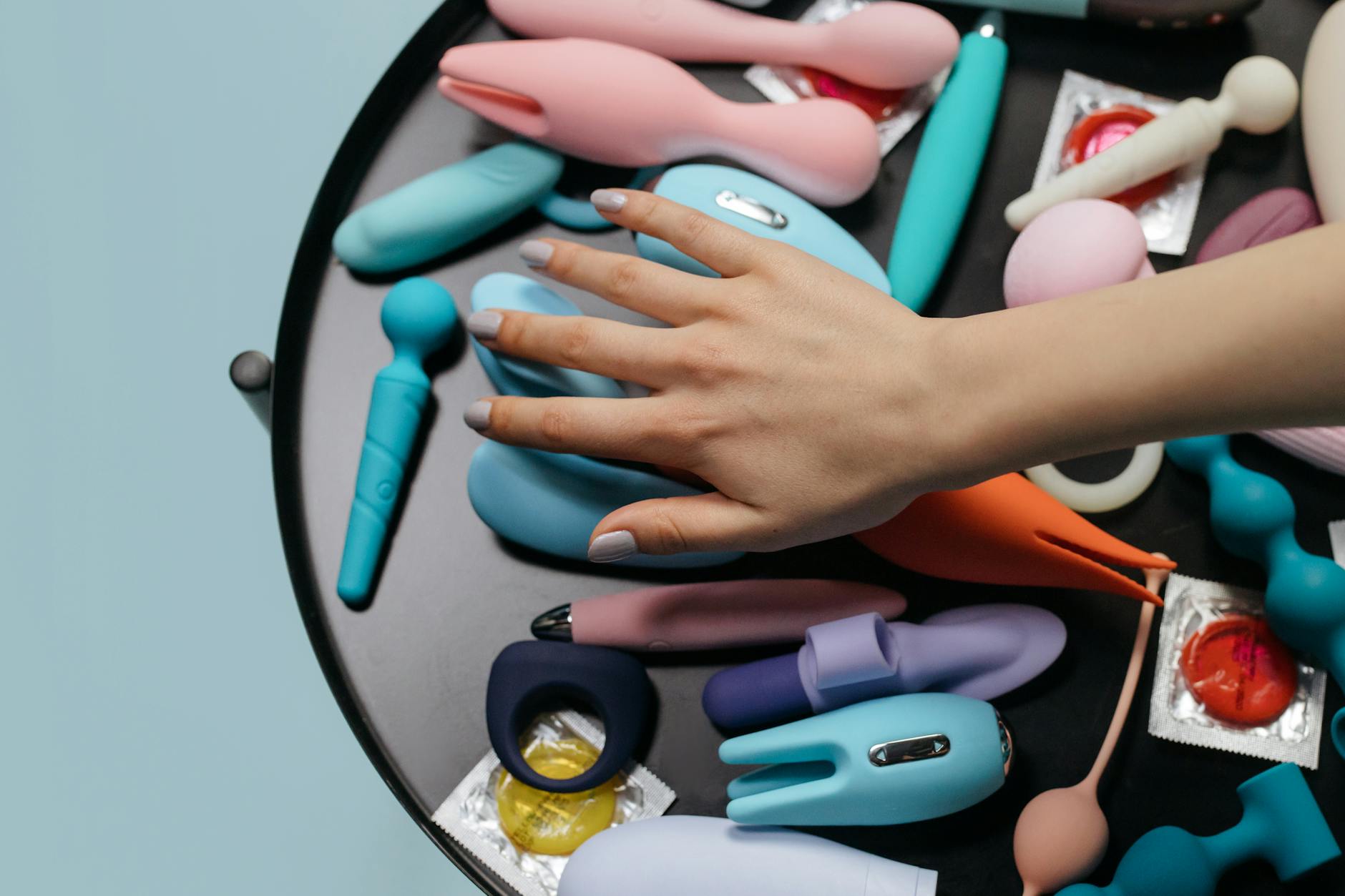
Photo by cottonbro studio on Pexels
That adaptation is actually a survival mechanism. Your body stops responding to a repetitive stimulus to protect you from overstimulation. It's called habituation. When you're already working with reduced blood flow, habituation kicks in even faster.
How suction creates a different kind of stimulation
Suction works differently. Instead of vibrating against the tissue, a suction-based toy like a lemon clitoral vibrator creates a seal around the clitoris and uses rhythmic pulses to draw the tissue upward and release it. It's closer to how a partner's mouth works than how a buzzing toy works.
That rhythmic pulse accomplishes three things traditional vibration can't:
1. It creates directional pressure change. Every pulse is a micro-massage. The tissue moves, then relaxes, then moves again. Your nerve endings register each transition, not just constant stimulus.
2. It encourages blood flow into the tissue. The gentle suction actually helps bring more blood into the clitoris, which means better engorgement even if your baseline circulation is lower. You're not fighting against reduced blood flow. You're working with it.
3. It feels completely different from vibration. That novelty alone breaks through habituation. Your nervous system wakes up. New sensation paths light up in the brain.
For people with reduced blood flow, this is a game changer. You're not forcing the issue with stronger vibration. You're using a completely different mechanism.
The role of pattern variety
Lemon vibrators don't just pulse one way. Most models offer multiple pattern options. You might start with a steady pulse, then switch to a wave pattern, then a flutter. Each pattern hits different nerve endings in slightly different sequences.
When blood flow is compromised, this variety is essential. Your body needs the stimulation landscape to keep changing. If you've been using the same lemon sucker setting for five minutes and sensation is fading, switching patterns resets your nervous system's attention. It's not about the toy getting stronger. It's about keeping things interesting for your nerves.
This is actually why how to use lemon vibrators when sensation feels numb or muted becomes so much more effective when you embrace pattern switching instead of cranking intensity.
Blood pressure and medication considerations
Some of the most common reasons for reduced blood flow are medication-related. Beta blockers for hypertension, certain antihistamines, and some antidepressants can all reduce circulation to the genitals. It's not an uncommon side effect. People often don't connect the two.
If you're on blood pressure medication or have cardiovascular changes, your sexual response is genuinely different now. That's not failure. That's your body telling you to try a different tool.
Lemon clitoral vibrators are gentler on the cardiovascular system too. They don't demand sustained high arousal states. The suction and pulse rhythms are much lower energy. If you're managing blood pressure or energy levels, this matters.
When to use warmth first
If reduced blood flow is your issue, starting with warmth helps. A few minutes under a warm blanket, a warm shower, or even a warm compress on your lower belly a few minutes before play can prime your circulation. Your blood vessels relax and open up slightly. Then when you introduce the lemon vibrator, there's already more blood in the region.
Some people keep a small microwaveable heat pack for this. Thirty seconds of warmth makes a real difference in how responsive your body feels. Combined with the suction and pulse of a lemon sucker, you're stacking every tool you have to encourage engorgement and pleasure.
The psychology of switching tools
Here's something nobody talks about: when your old toy stops working, there's an emotional hit. You feel broken. Your body feels betrayed. Trying a completely different category of toy isn't just a practical shift. It's a psychological reset.
Switching from traditional vibration to suction-based lemon vibrators can feel like giving yourself permission to play differently. You're not trying to fix yourself or recapture old sensations. You're exploring something new. That mindset shift alone can lower performance anxiety, which is a huge blood flow killer.
Photo by Hanna Brovko on Pexels
What about partners
If you have a partner, this is also an opportunity to shift expectations. Introducing a suction-based toy means you're not asking for something different from them. You're adding a tool to your shared pleasure. It takes pressure off both of you to perform in a way that might not match your current physiology.
Many couples find that incorporating lemon vibrators actually deepens connection because it removes the shame around changing sensation. You're saying "my body is different now, and here's what works." That honesty is powerful. If you want more on this, how to use lemon vibrators with your partner without killing the mood covers the communication piece.
The material matters too
When blood flow is reduced, you're more sensitive to texture. Medical-grade silicone or TPE on a lemon clitoral vibrator feels smoother and less irritating than cheaper plastic or rubber compounds. The suction seal needs to be airtight without pinching. Quality construction means the toy creates the right seal without damaging sensitive tissue that's already working harder for engorgement.
This isn't about luxury. It's about functionality. A poorly made suction toy creates gaps in the seal or pulls too hard. You get discomfort instead of pleasure. Viral Lem's lemon vibrators are designed specifically for this. The materials and the engineering mean the suction actually works, which means you get the blood flow benefits without the frustration.
Starting slow with new sensation
If you're switching from traditional vibration to suction for the first time, start on the lowest setting. Let your body get used to this completely different kind of stimulation. Two or three minutes on the gentlest pulse pattern is enough for a first session. You're not building to orgasm. You're introducing a new sensation.
Most people find that after a few sessions, their body responds better. The clitoris actually becomes more responsive to suction over time, which is wild but true. Your nerve endings are learning a new language. By session three or four, you might find yourself reaching orgasm more easily because your tissue is already expecting this type of stimulation.
FAQ
Why does my clitoris have reduced blood flow in the first place?
Reduced clitoral blood flow has multiple causes. Age-related vascular changes, cardiovascular medication, hormonal shifts, chronic stress, sitting for extended periods, smoking, or metabolic changes like diabetes can all contribute. Sometimes it's a combination. The important thing is knowing that reduced blood flow is a physical state, not a character flaw. Your body is responding predictably to these factors.
Can I use regular vibrators if I have reduced blood flow?
Yes, you can, but traditional vibrators often require more intensity to feel satisfying when blood flow is compromised. Many people find they need to use higher settings, which can create numbness over time or irritate the tissue. Suction-based tools like lemon clitoral vibrators work with reduced blood flow rather than against it, which makes them more effective overall for many people.
How long does it take for suction vibrators to feel good?
Some people feel the difference immediately. Others need two or three sessions for their body to adjust to the new sensation. Start with the lowest setting and give yourself at least three sessions before deciding if it's right for you. Your nervous system and your tissue are both learning.
Is suction safer than vibration if I have cardiovascular concerns?
Suction-based toys like lemon vibrators place less demand on your cardiovascular system than high-intensity vibration. They don't require sustained high arousal states or rapid heart rate escalation. If you have blood pressure concerns or cardiovascular sensitivities, suction is generally gentler. That said, always check with your doctor if you're managing a specific cardiac condition.
Can I combine suction with warmth for better results?
Absolutely. Warmth relaxes blood vessels and primes circulation. Using a warm compress on your lower belly or taking a warm shower before play, then introducing a lemon sucker, often produces better results than either approach alone. You're layering techniques to encourage the blood flow your body needs.
Do lemon vibrators work for everyone with reduced blood flow?
Most people find them significantly more effective than traditional vibrators, but everyone's nervous system is different. If you've tried other approaches and suction isn't clicking, there might be other factors at play. Stress, medication timing, or how to use lemon vibrators when delayed arousal feels frustrating might be more relevant to your situation. The key is experimenting and paying attention to what your body responds to.
Reduced blood flow doesn't mean the end of pleasure. It means your pleasure toolbox needs different tools. Lemon clitoral vibrators offer a completely different mechanism than traditional vibration, one that actually works better when circulation is compromised. Your body isn't broken. It's just evolved. And there's a lemon sucker designed for exactly where you are right now.